
Lying on shore, seals look indolent. Reminiscent of lions that seem to spend more of their time lounging in the shade. However, seals spend lots of time actively swimming after food, especially when feeding pups, and earn their rest.
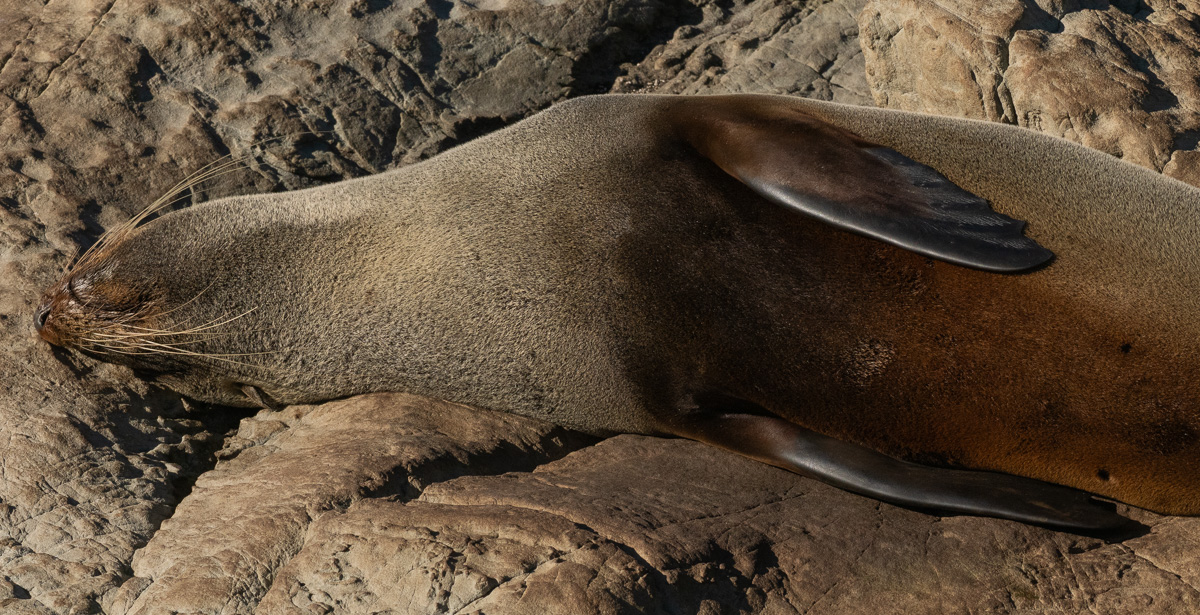

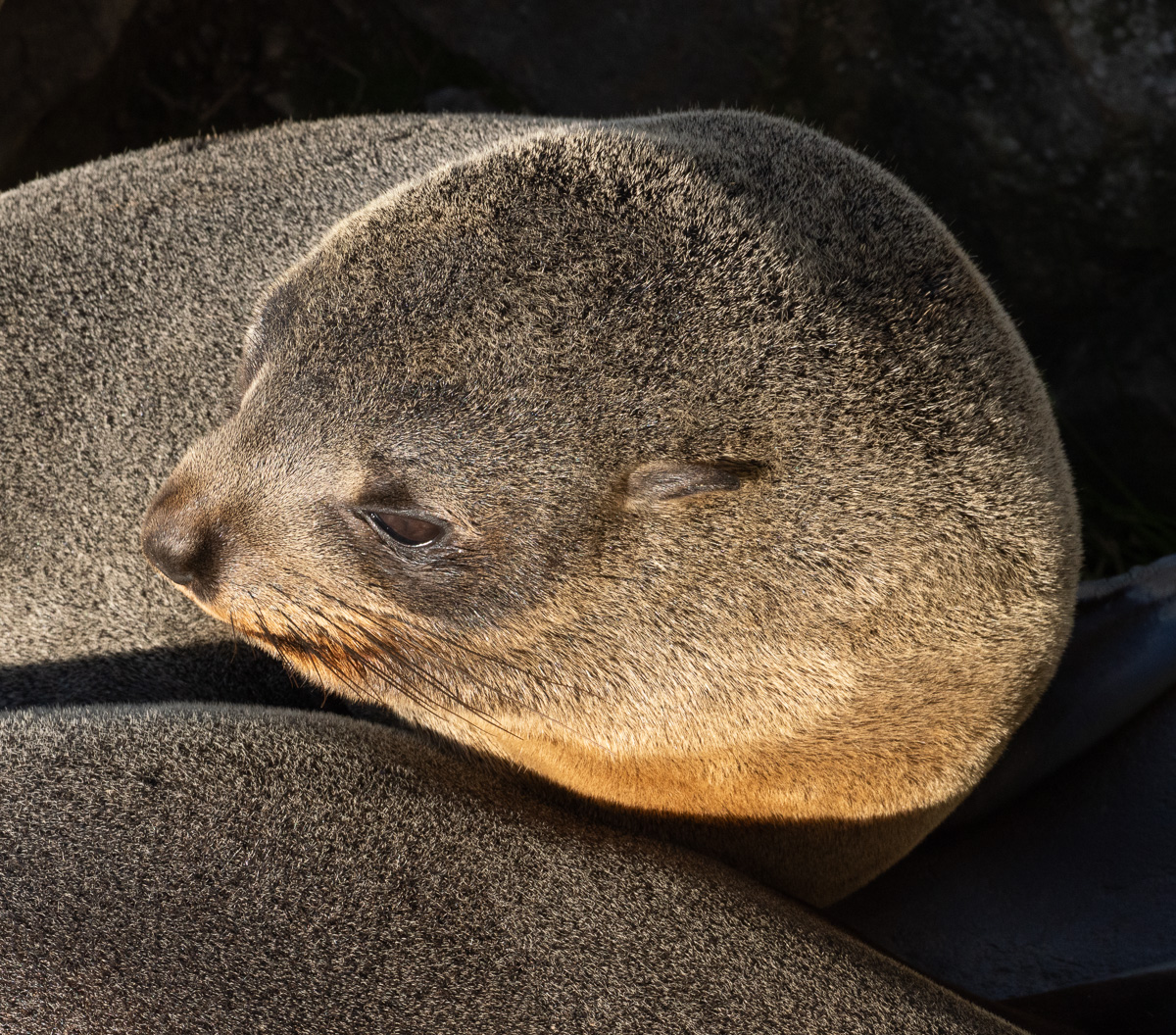


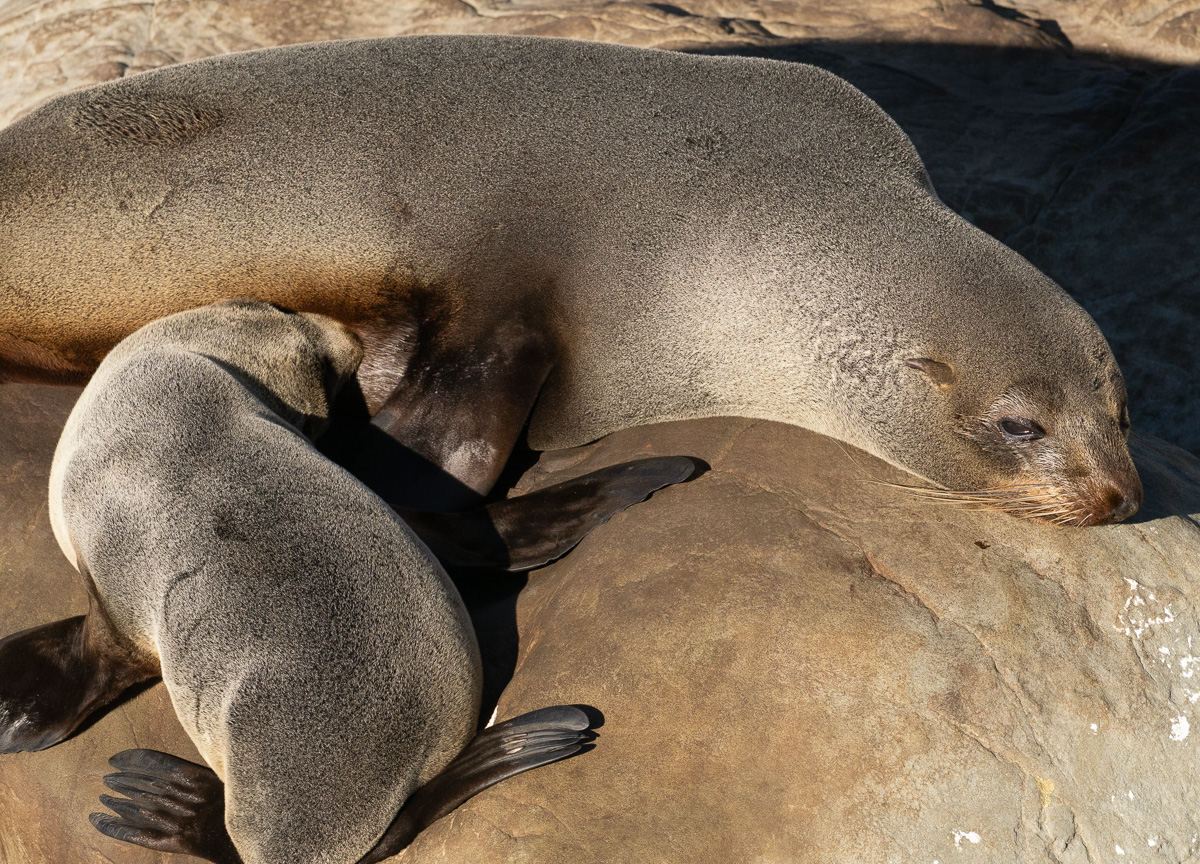

Lying on shore, seals look indolent. Reminiscent of lions that seem to spend more of their time lounging in the shade. However, seals spend lots of time actively swimming after food, especially when feeding pups, and earn their rest.

Prairie dogs live in underground burrows in usually large colonies. They are welcome food items for coyotes and other predators. These images were obtained in Wind Cave National Park, in Wyoming.

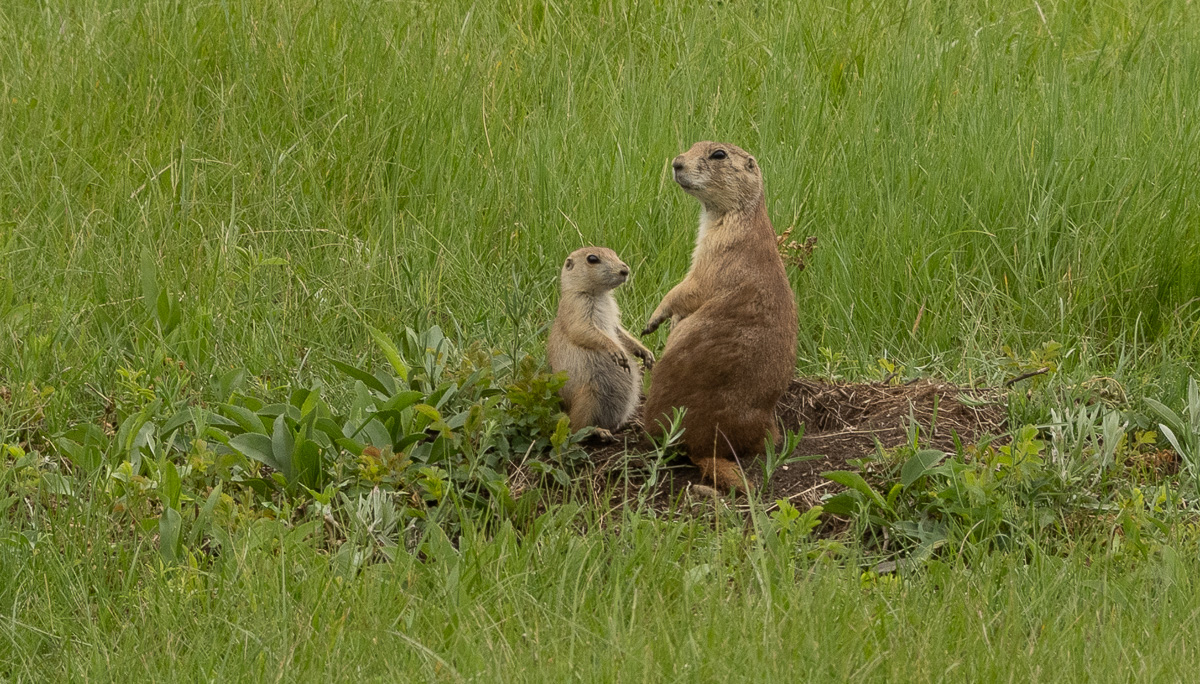
This adult prairie dog with youngster is sitting upright in characteristic sentinel mode. Facing in opposite directions, the pair have the field covered. Often, prairie dogs will sit atop mounds of soil for better visibility.

I was lucky to spot this coyote on the chase for a meal. I first saw it loping along the side of the road, so followed in the car. There was no one else about. It crossed the road, then went down into a dip. I missed the actual catch, but when the coyote came back into view, its prey was in its mouth. The black tail of this species of prairie dog is diagnostic.
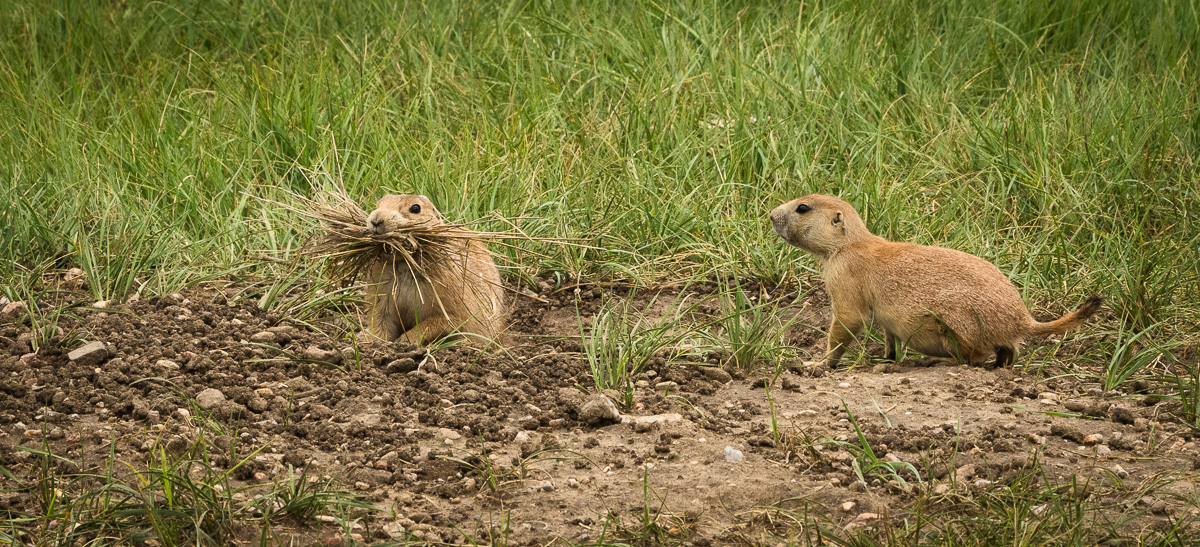
Another activity to watch, was this individual collecting nesting material to take down into the burrow. It is hard to imagine that there is room for a single additional straw in the mouth of this prairie dog. I was impressed that it could hold so much.

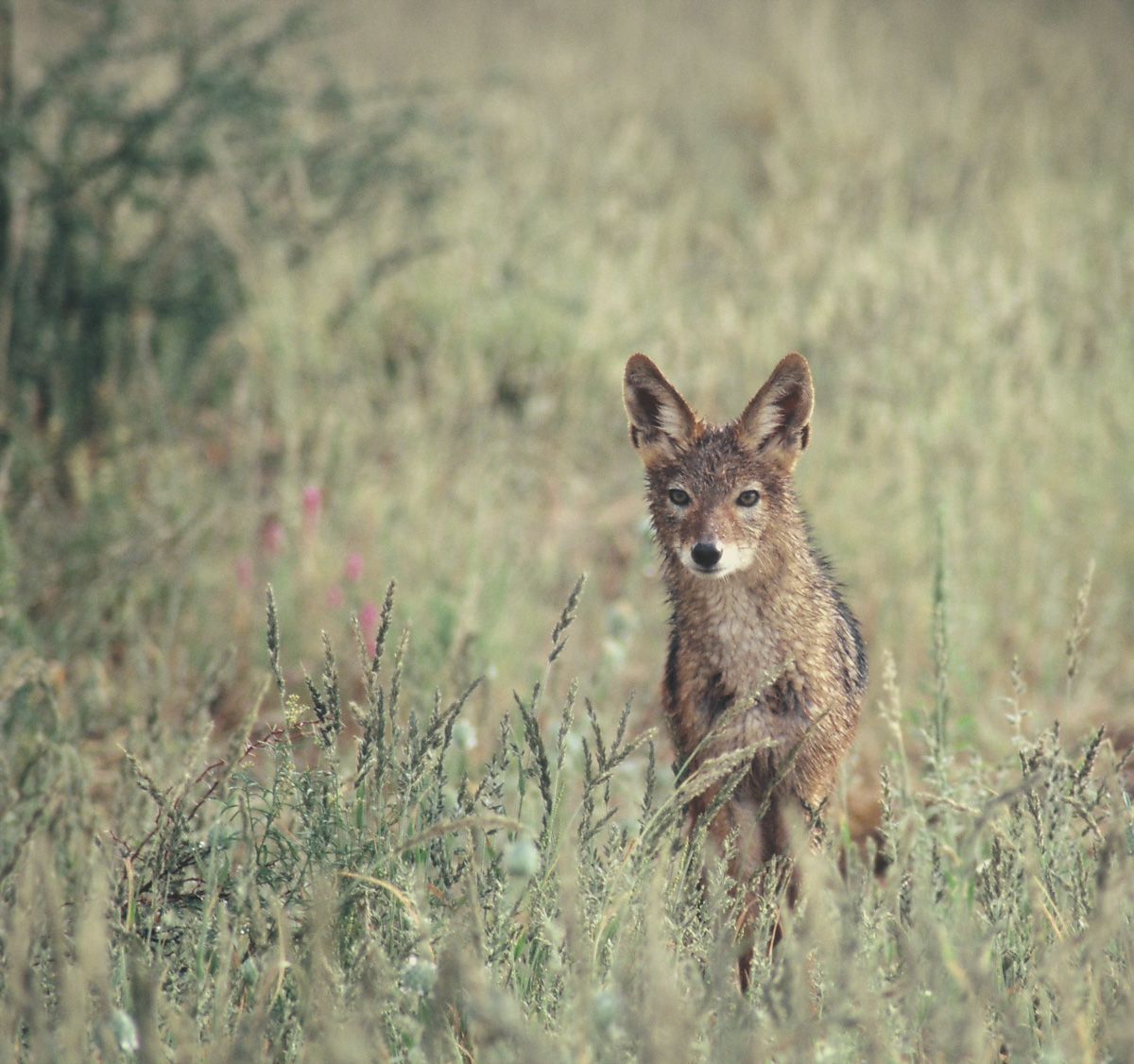
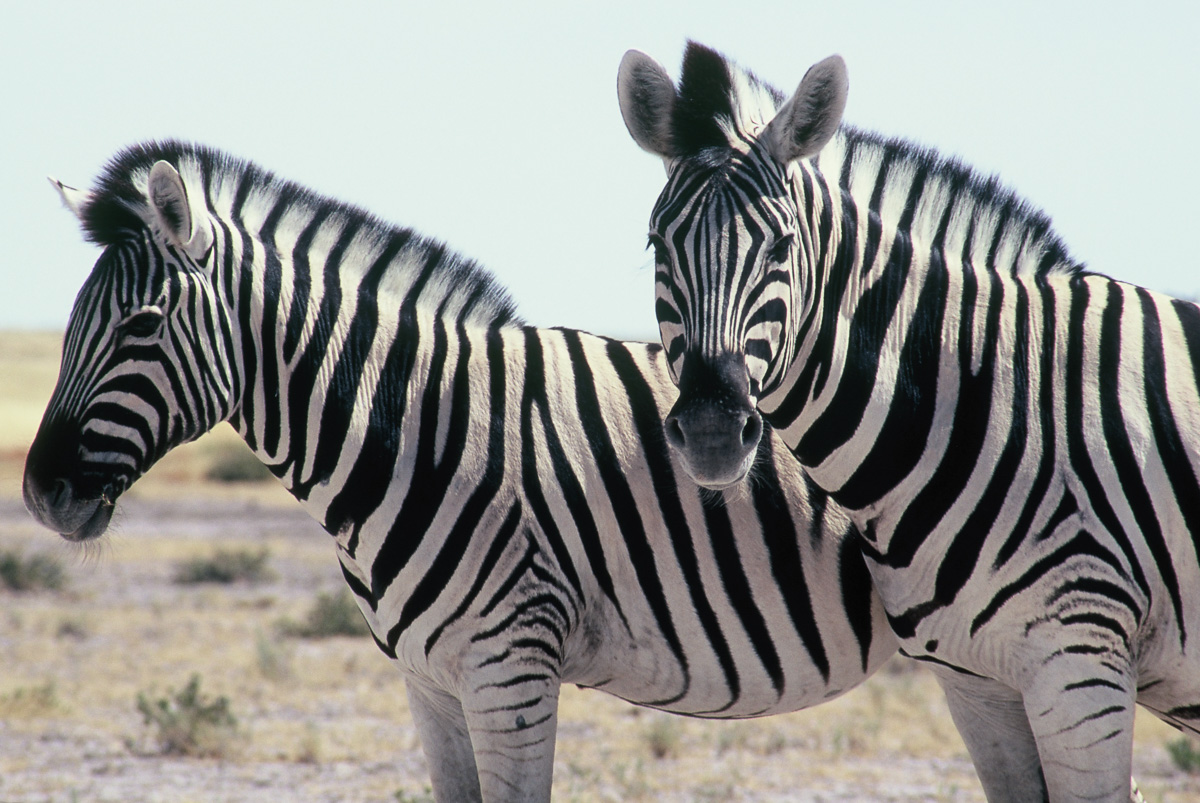
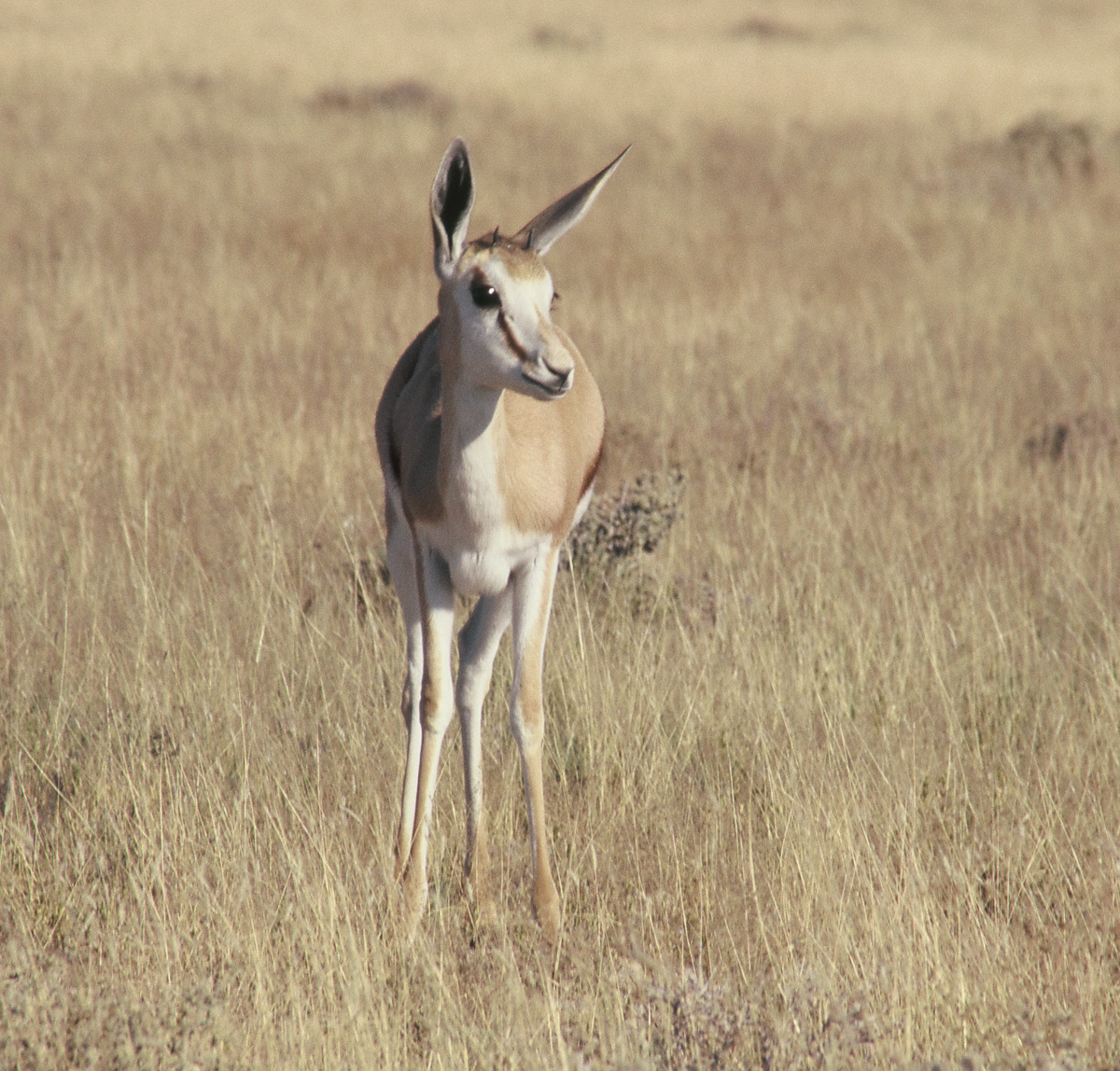
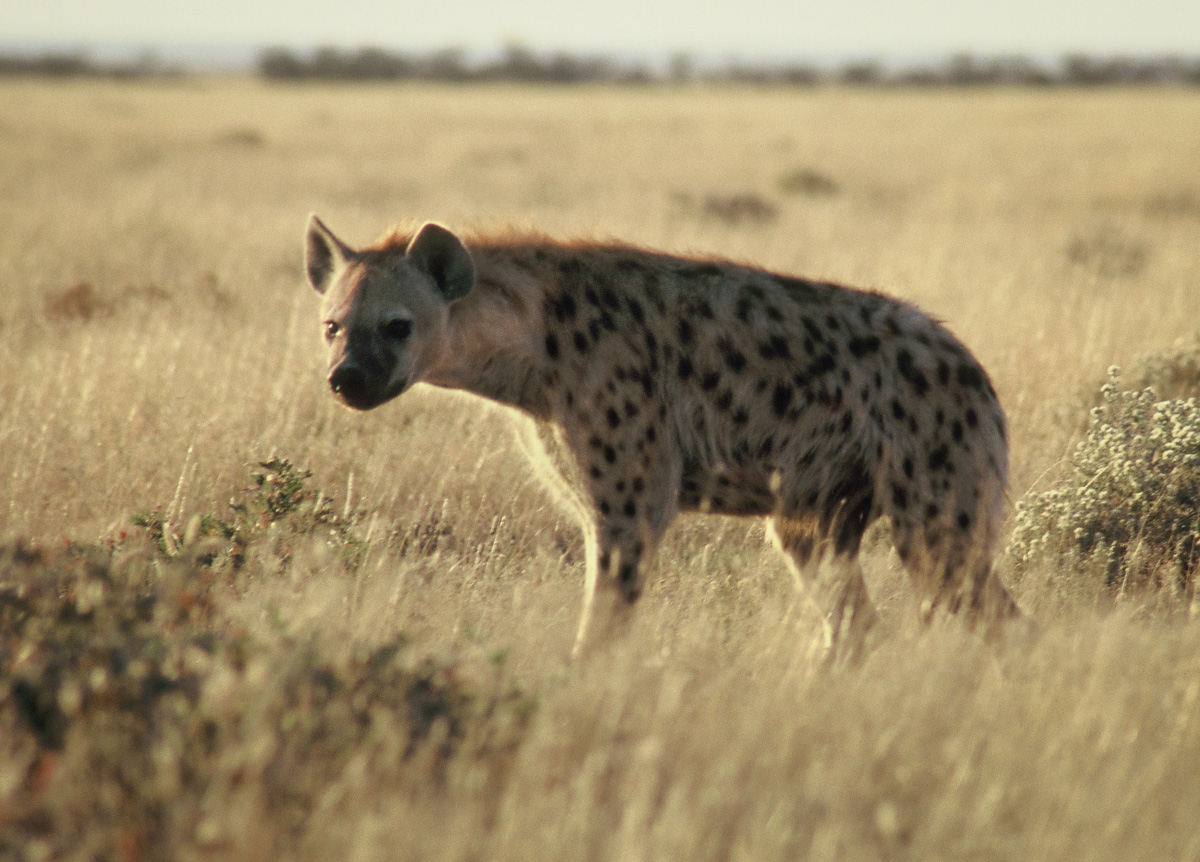
I’ve been scanning some old slides, and picking out a few that interest me. The image above is a wet black backed jackal in Kruger National Park. I like it because it is the only time I’ve seen a jackal out in the rain with its coat looking wet and bedraggled. The plains and deserts where animals are easiest to see generally have low rainfall. In addition, the dry season is often the best time. to visit because animals tend to be concentrated near waterholes, so easier to find. The next few images are from Etosha National Park in Namibia: zebra, a young springbok, and a spotted hyena.
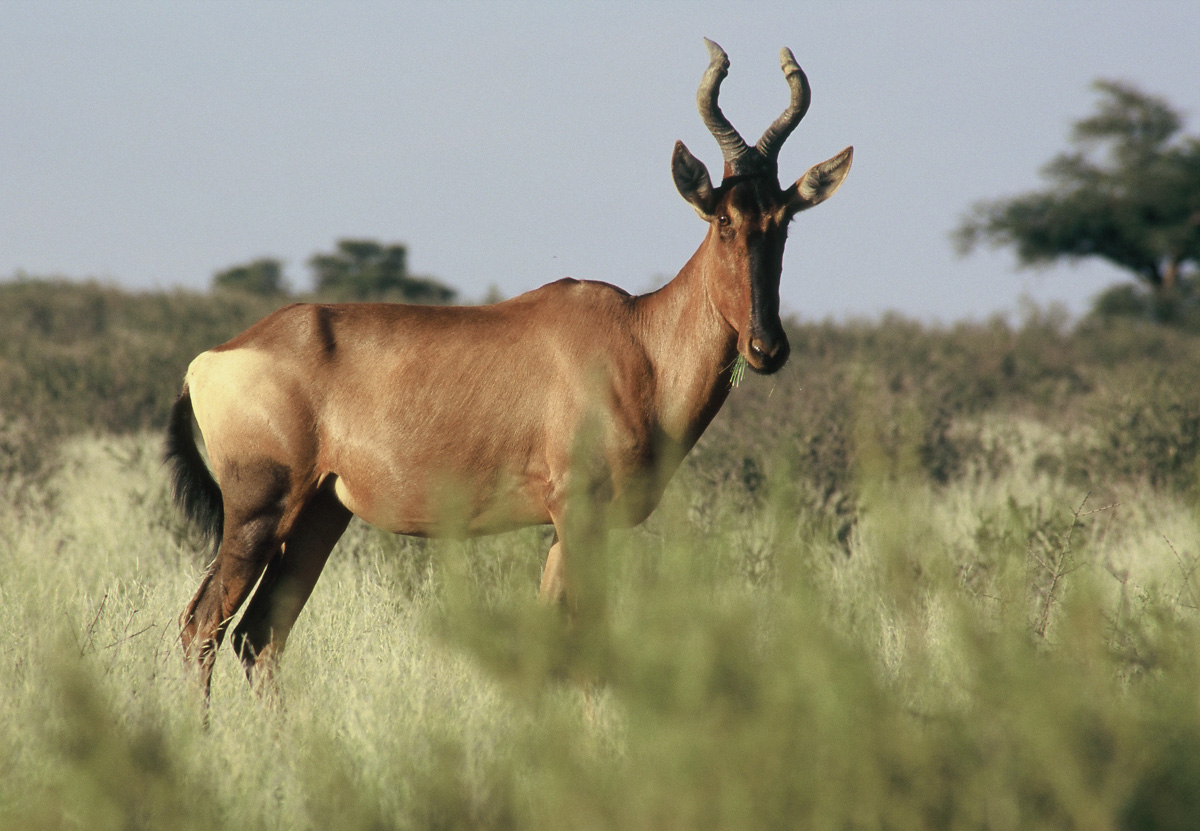
The last two were also photographed in Kruger: a red hartebeest and a male elephant:


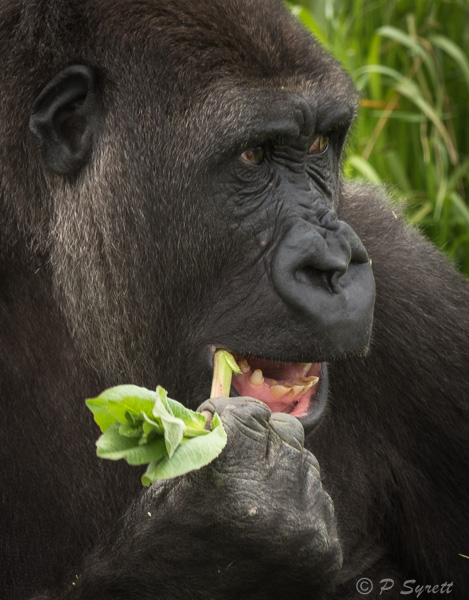
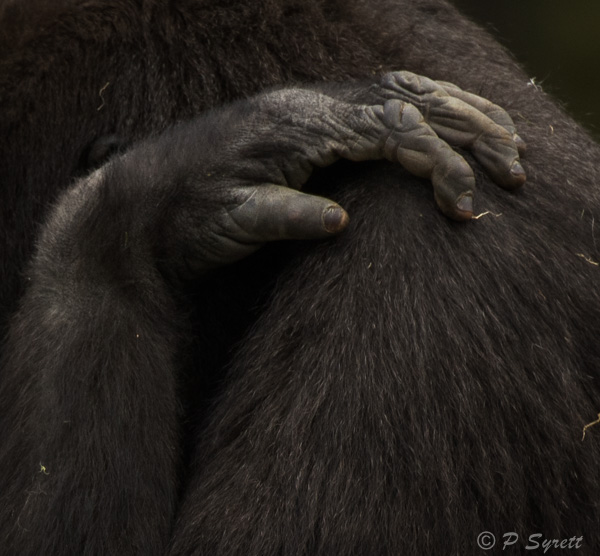
Orana Park, a wildlife facility here in Christchurch, recently acquired three male gorillas from Taronga Zoo in Sydney. They are western lowland gorillas, endangered in their West African homeland, and are part of an international zoo-breeding program.
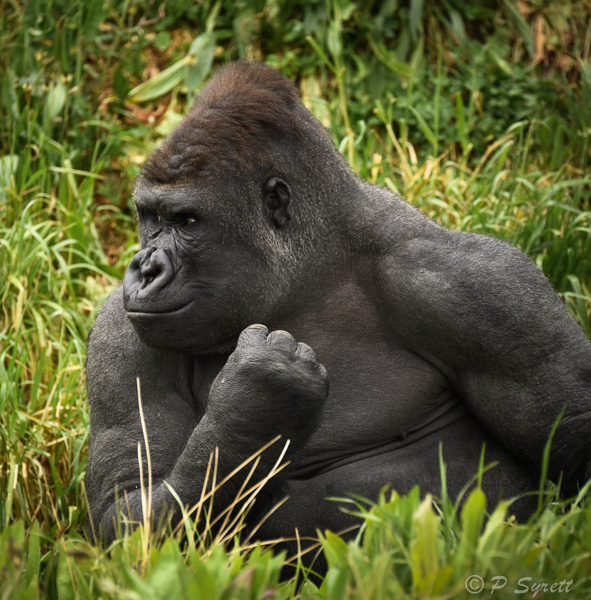
The oldest, and largest, Fataki (12) is a silverback, dominant over his much smaller younger brothers, Fuzu and Mahali (7), who are nevertheless inclined to tease their elder brother. They chase each other around the enclosure and beat their chests, hooting loudly. In spite of these apparent displays of aggression, gorillas are generally peaceful animals unless seriously upset. They are great fun to photograph, the challenge being to keep the building and other unnatural bits and pieces out of the image.
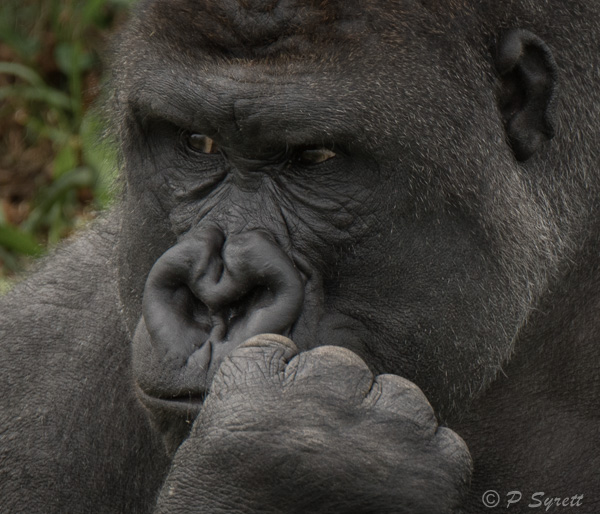
It isn’t too hard to get a nice portrait, but capturing interaction between them is a little more difficult, and I don’t yet have anything I’m happy to post (watch this space). A dark, or black subject is always challenging. Because the jutting brows obscure the eyes I find that I have to work hard to see them clearly, but lightening ‘shadows’ in the raw file in Lightroom helps a lot.
 polsnaturephotography