More on Prairie Dogs

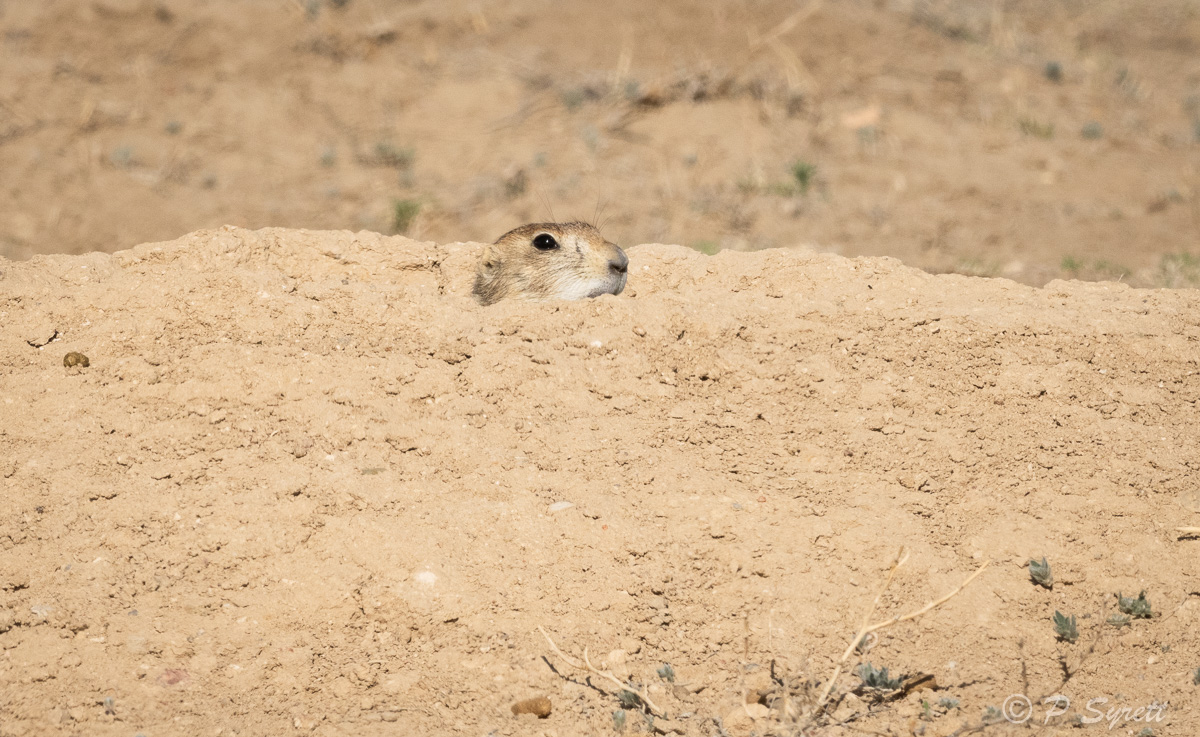
Prairie dogs seemed extra wary in the campground at Santa Rosa Lake State Park in New Mexico. It was perhaps obvious why they were nervous when I spotted a pair of burrowing owls flying around the colony. Burrowing owls are very distinctive, with their small stature and long legs. Like prairie dogs, they inhabit generally flat, dry areas with only low vegetation. They nest and roost in burrows, often frequenting those excavated by prairie dogs. These small animals also serve as prey.
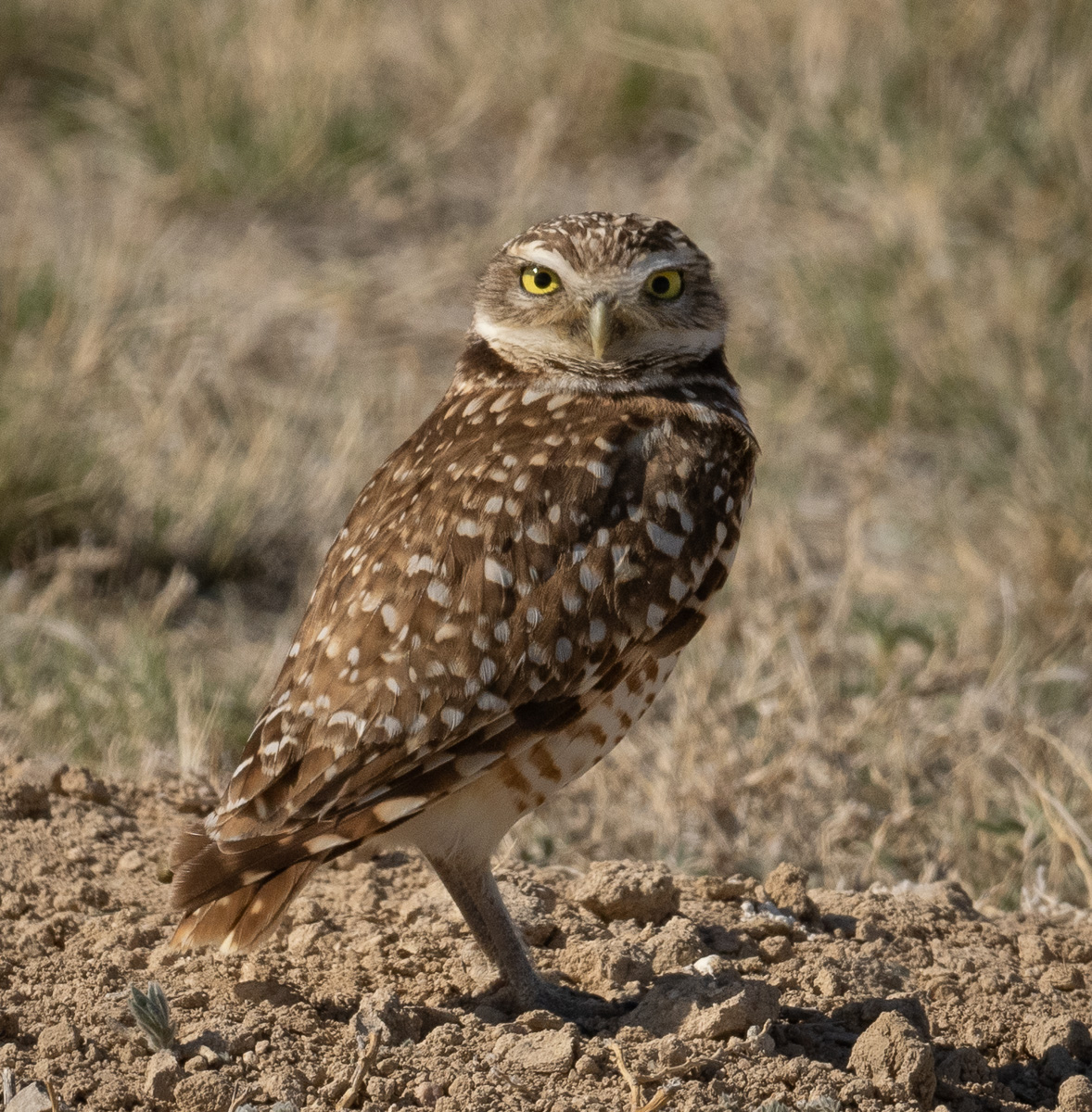
Unlike other owls, burrowing owls are often out during the day, although they tend to hunt mostly at dawn and dusk. I was out fairly early in the morning, having no idea that the prairie dog colony was here. Nor did I expect to see the owls. I’ve spent a lot of time scouring prairie dog colonies for these owls, often without success. This is the first time I’ve spotted the owls before seeing a prairie dog.
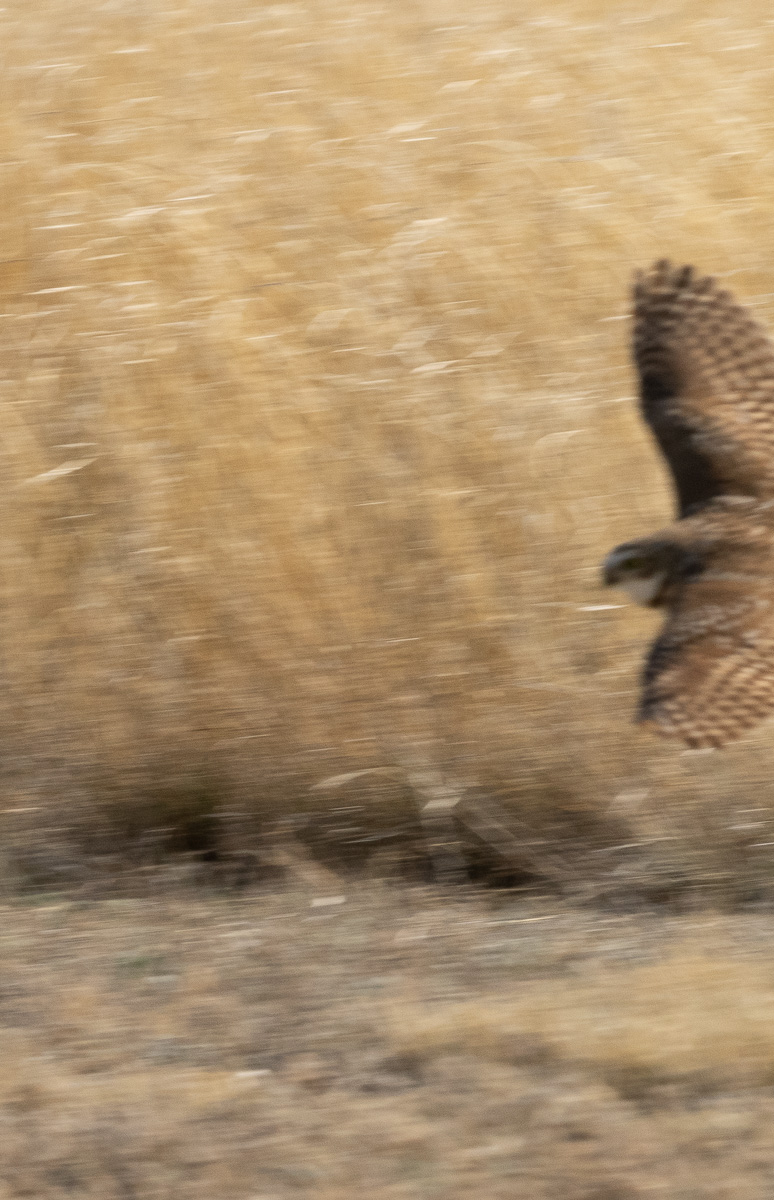
Safety in numbers ensures that prairie dogs survive, but they need to be vigilant. The least cautious individuals will end up as a meal for burrowing owls or coyotes.

Emu

Emu

emu

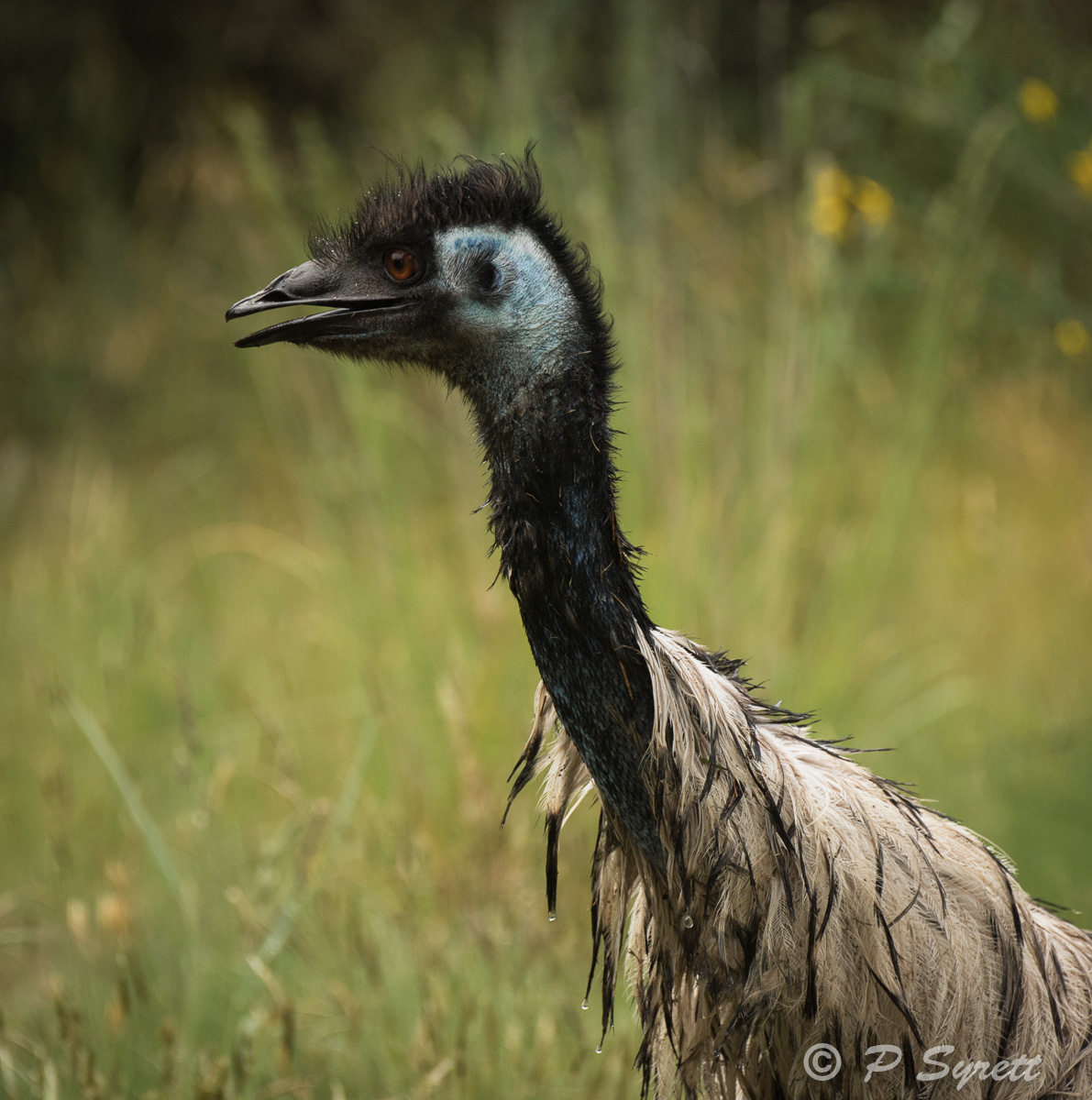
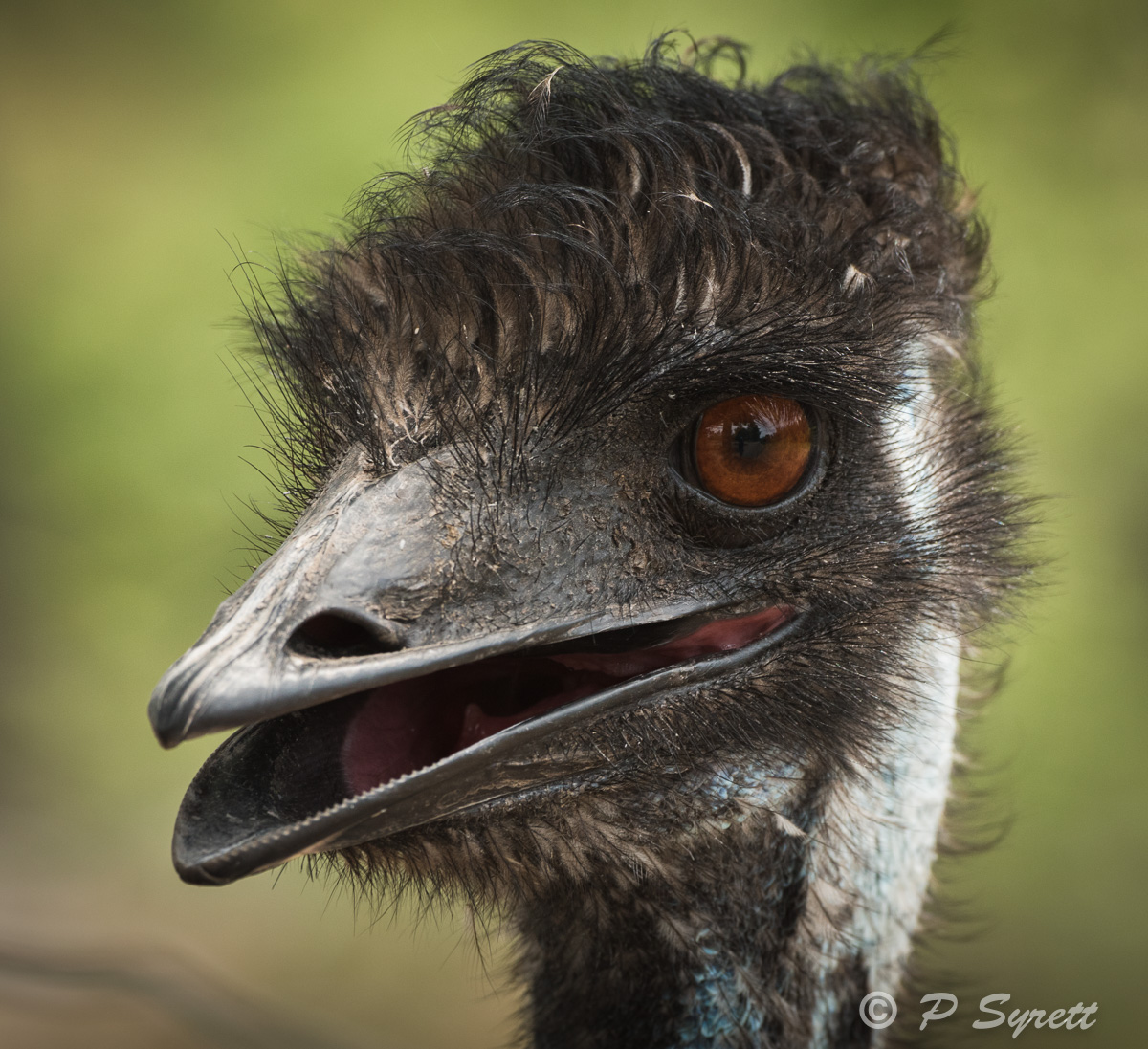
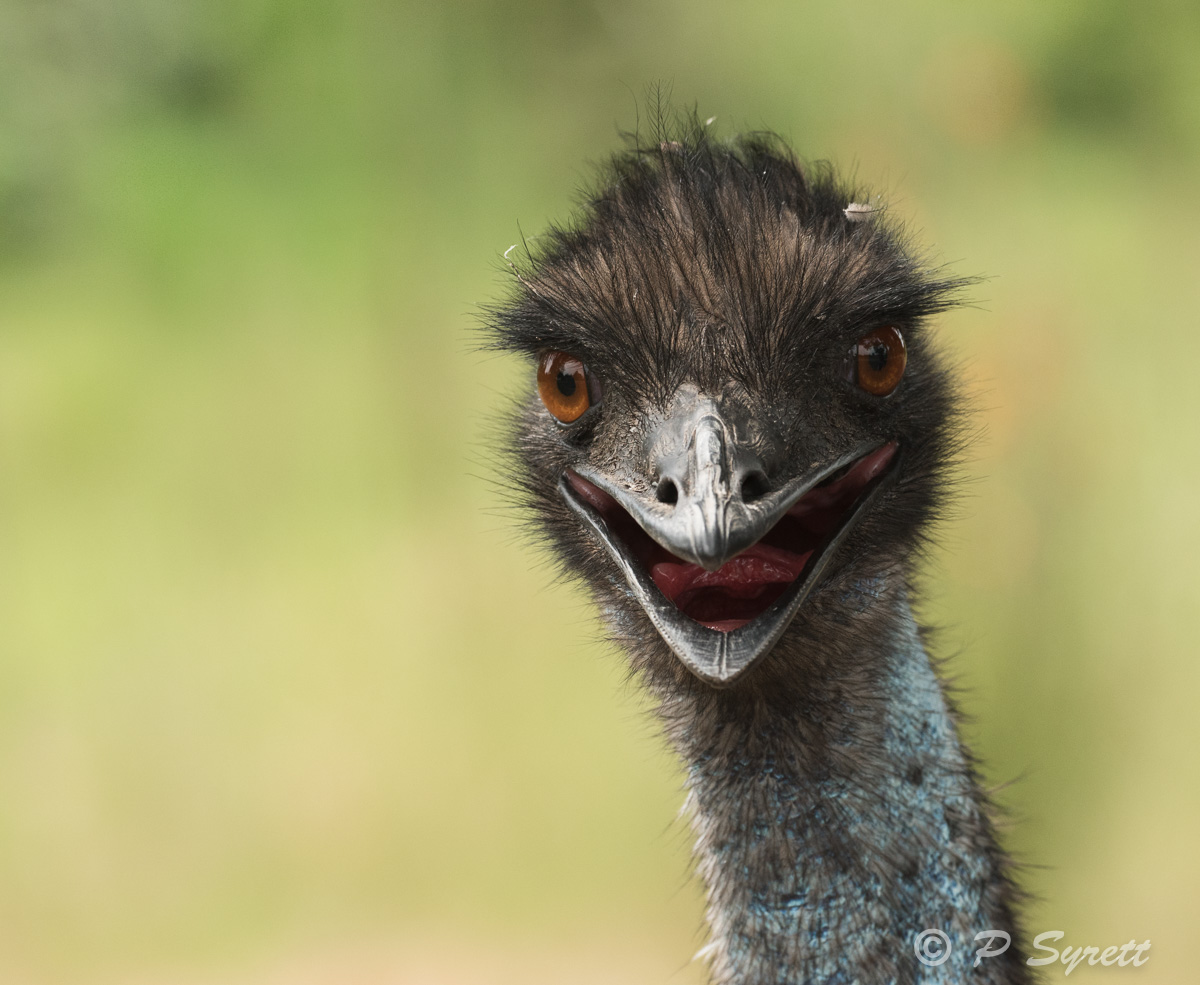
The emu (Dromaius novaehollandiae) is a large, flightless bird, in the ratite group, second in size only to the ostrich (found in Africa). Native to Australia, the emu’s closest relative is the much more rare, and colorful cassowary. New Zealand’s kiwi is another, slightly more distant, relative.

emu-2

A few emus are farmed in New Zealand, but we also have an opportunity to see them in captivity at our local wildlife park. The ones that I have photographed are at Orana Park, in Christchurch. The emu is not endangered, so there is no rearing program for them here, nor are they likely to be the subject of a research project. They are kept at the park so that people can observe them behaving naturally in an outdoor, semi-wild environment.

The birds often pace up and down along the fence line emitting a booming sound. It is mostly the females that produce this noise, while males make a grunting sound. An inflatable throat pouch creates the booming, which if emitted at high intensity, may be heard up to 2 kilometres away.

emu-3

On hot days the staff turn on a hose to create a temporary pool in their enclosure, which the emus use for bathing. They sit in the pool, immersing their feathers, then stand up and shake off the water. Although they can’t fly, emus can run very fast. They have powerful beaks, so visitors need to be wary of getting too close to the wire. In the wild, they should not be approached, as powerful legs and feet can inflict a damaging kick.

emu-4

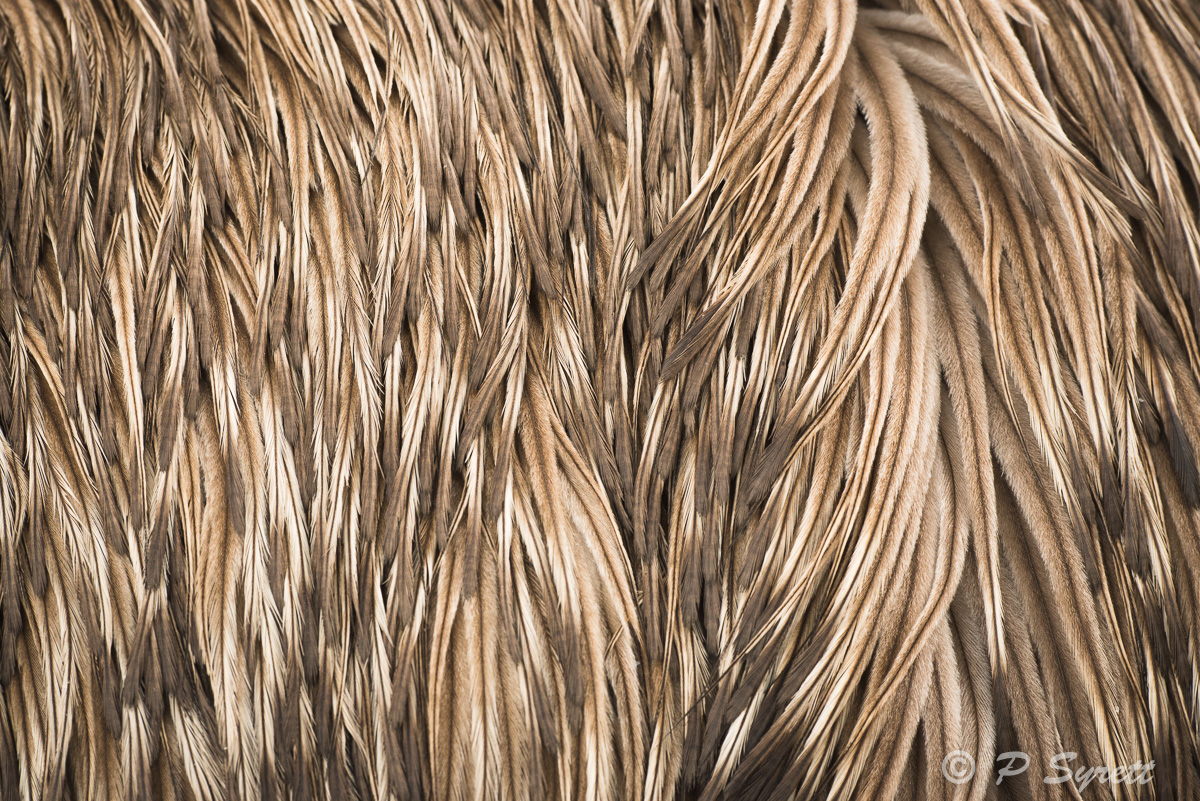
Emus’ soft feathers are very attractive, so it can be tempting to stroke them. However, this is probably not an impulse to give in to!

emu-5


emu-6