
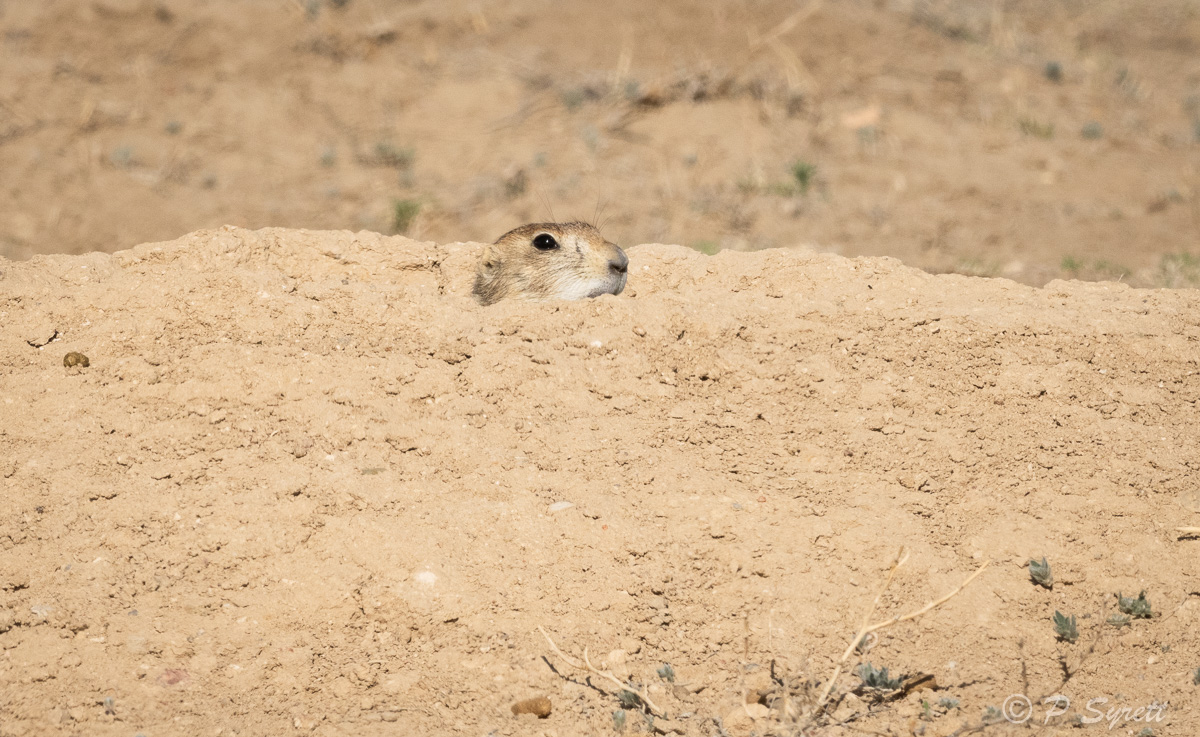
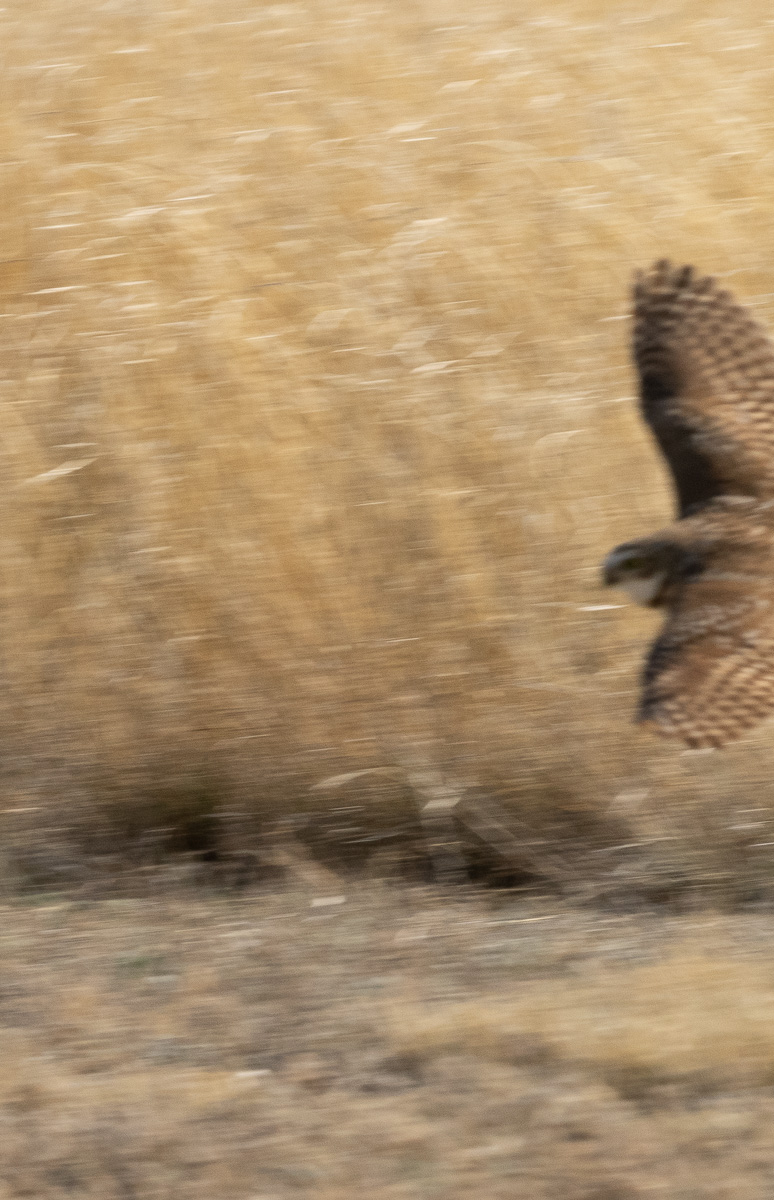
Prairie dogs seemed extra wary in the campground at Santa Rosa Lake State Park in New Mexico. It was perhaps obvious why they were nervous when I spotted a pair of burrowing owls flying around the colony. Burrowing owls are very distinctive, with their small stature and long legs. Like prairie dogs, they inhabit generally flat, dry areas with only low vegetation. They nest and roost in burrows, often frequenting those excavated by prairie dogs. These small animals also serve as prey.
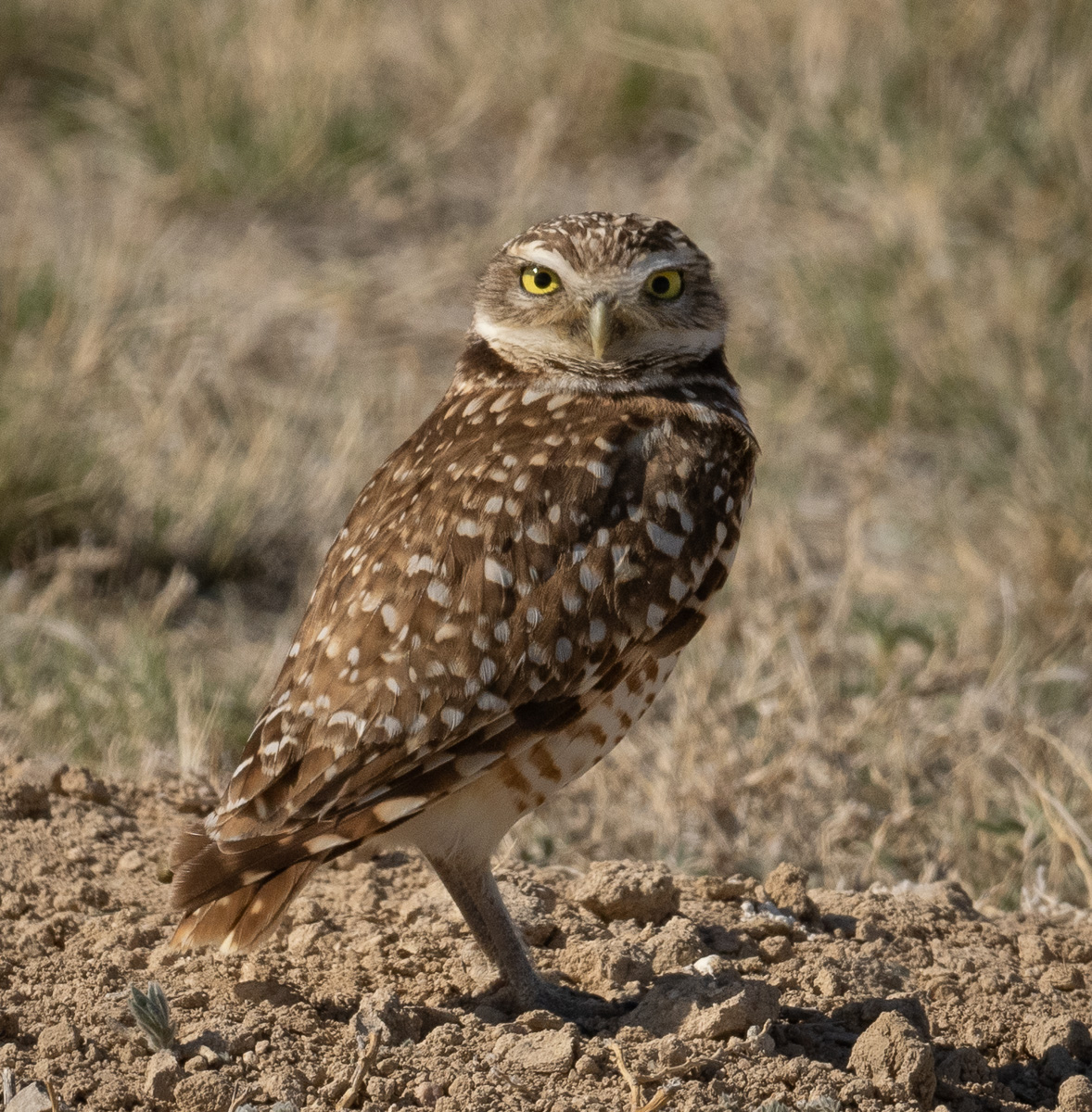
Unlike other owls, burrowing owls are often out during the day, although they tend to hunt mostly at dawn and dusk. I was out fairly early in the morning, having no idea that the prairie dog colony was here. Nor did I expect to see the owls. I’ve spent a lot of time scouring prairie dog colonies for these owls, often without success. This is the first time I’ve spotted the owls before seeing a prairie dog.
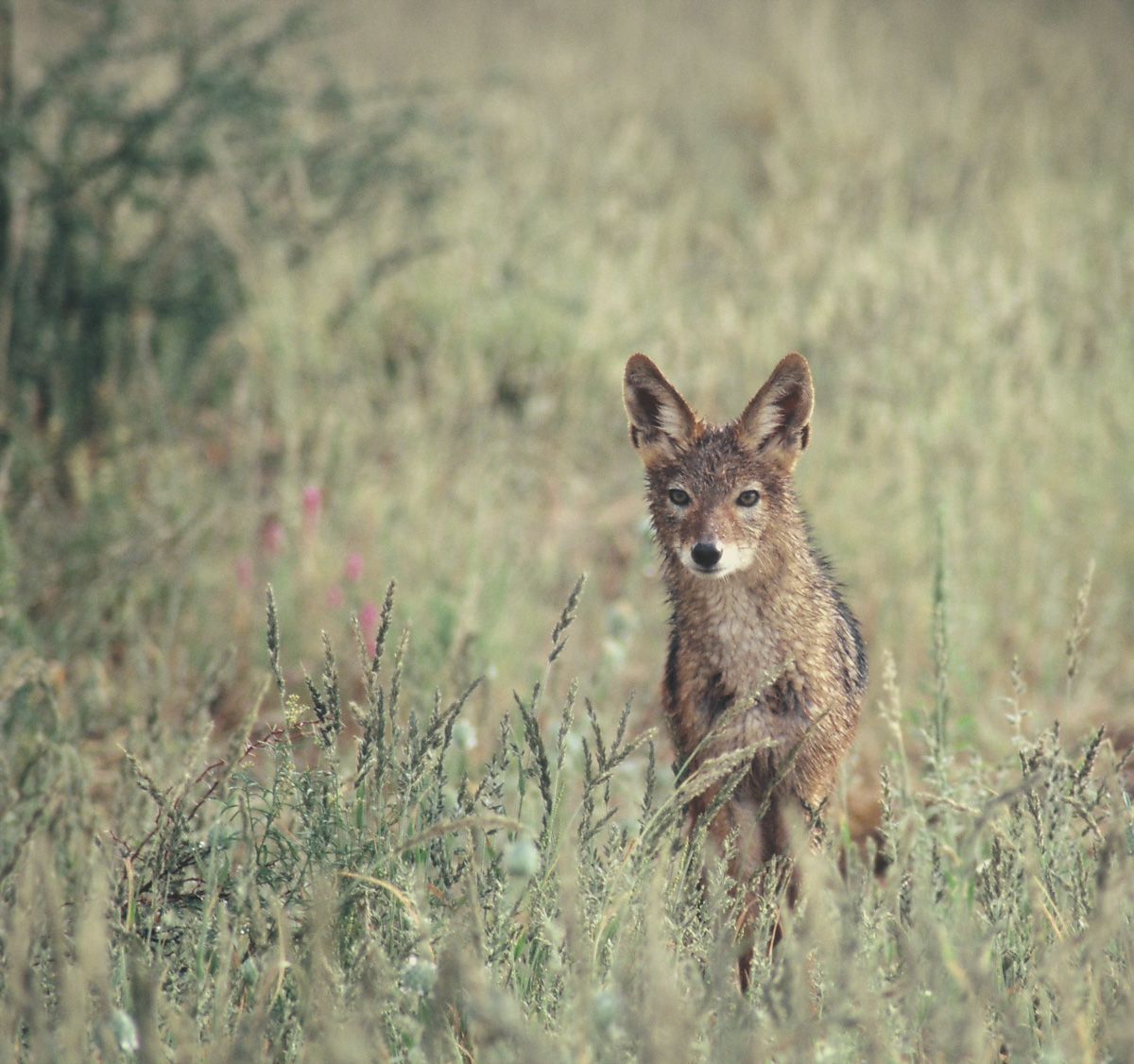
Safety in numbers ensures that prairie dogs survive, but they need to be vigilant. The least cautious individuals will end up as a meal for burrowing owls or coyotes.

 polsnaturephotography