
I have just been over to the West Coast for a couple of weekend trips. It is appealing to those of us living in Christchurch to experience the contrast between the two coasts. While Canterbury is dry, the West Coast is usually very wet. The sea is calm on our side, with plenty of swimming beaches. On the Coast, it is rough, often a boiling cauldron that deters anyone from approaching, let alone entering the surf. Even under deceptively calm conditions there are strong undertows, swirling currents and rogue waves that have caught many unawares.
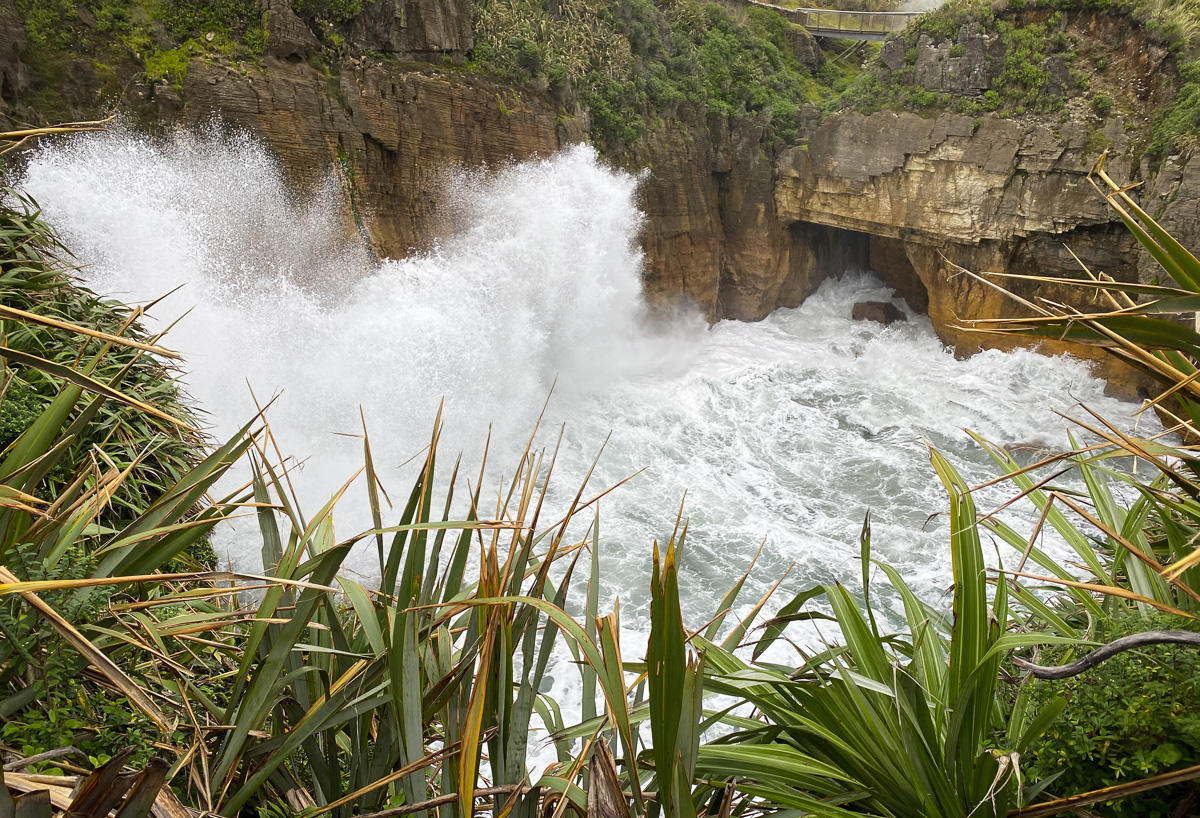
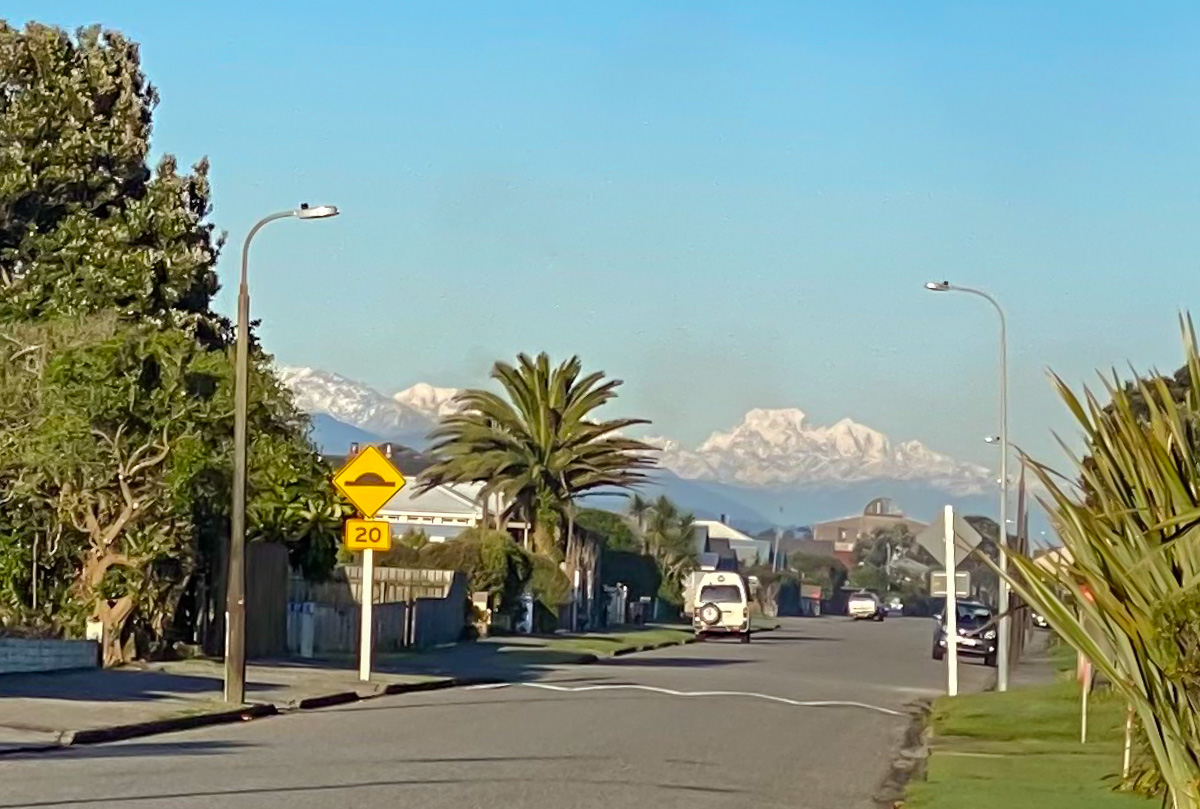
My two weekends were contrasting, too. Hokitika was so clear and sunny that New Zealand’s highest peaks, Mts Cook and Tasman, stood out from afar. The sky was overcast while were staying in Punakaiki, with the odd light shower of rain. It was pleasant enough to be outside photographing most of the time, though; nothing like the ferocious storm that battered the East Coast, wrecked bridges and roads, inundating farmland and urban areas alike while we were blissfully unaware of the devastation happening on the opposite coast. Christchurch generally receives 650 mm rain each year; this figure is 3000 mm on the West Coast. During the storm, touted as a one in a hundred year event, Christchurch received 150 mm in just 3 days, while in the hill country behind the city rainfall was more than 500 mm during the same period. The rain has now stopped, but rivers continue to run high and cleaning up and repair work has barely begun. I am still waiting to find out whether the roads will be open for my next trip out of town.
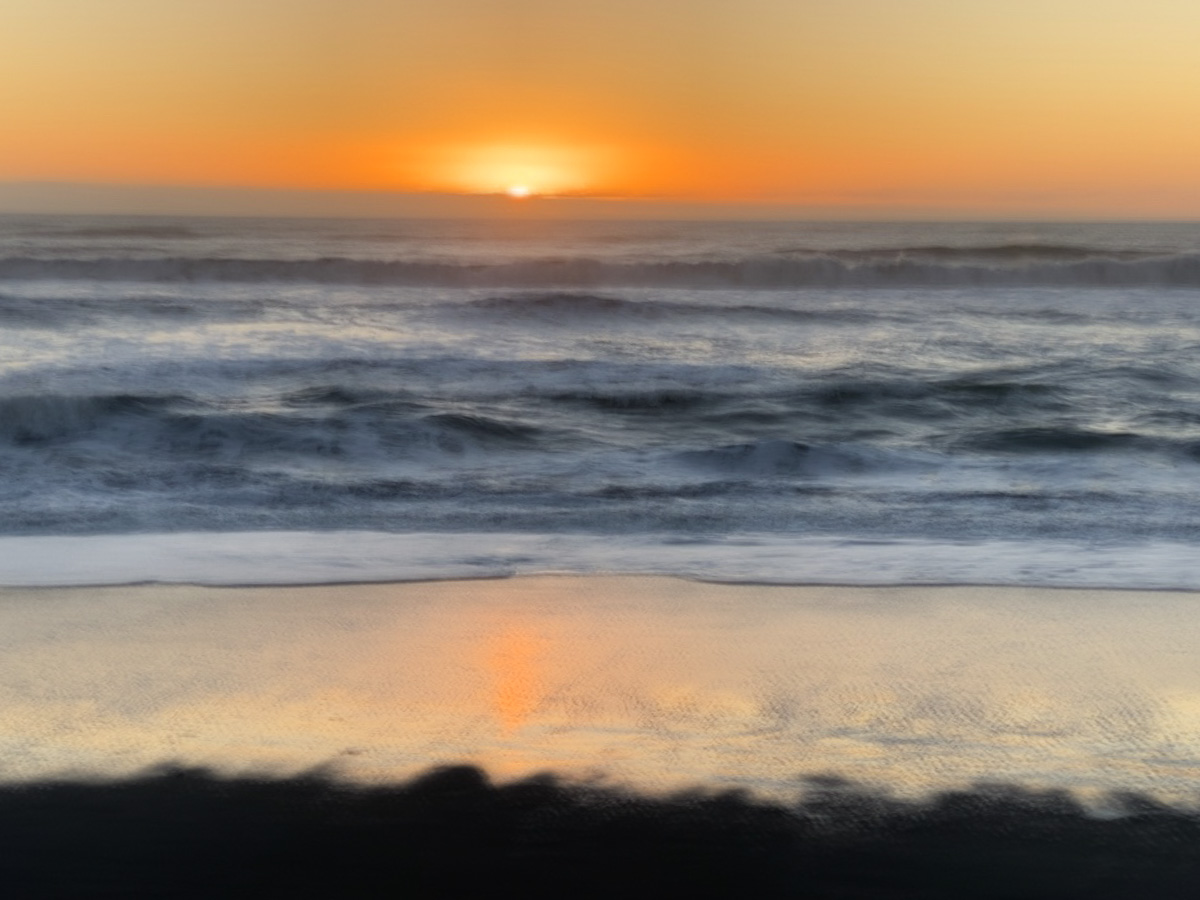
Recently a friend introduced me to a slow motion app for my phone, which I played while I was away, trying to discover what works and what doesn’t. This is still a work in progress, but here are two examples, the first from Hokitika, the second from Punakaiki.

 polsnaturephotography
Hello Pauline,
It has been many years now since we went in the field together. The Wangapeka-Nelson Lakes field trip seems like yesterday, with those memories quite vivid. John Marris helped with specimens of a genus of carabid beetle recently named by Andre Larochelle and Marie-Claude Lariviere. This new species I’d like to name for Rowan and you was collect by both of you; one specimen on Mt. Aicken, and two more on Mt. Philisitine. The labels state the date as 1-i-1988. That’s for both localities.!. Did you and Rowan compete two separate hikes on that New Year’s Day? I’m not doubting it, but am in awe.
Sincerely,
Jim Liebherr
LikeLike
Did I ever reply to this Jim? I very much doubt that those specimens were collected on the same day. I guess I’m too late now, anyway, but I don’t remember climbing both peaks on the same New Year’s Day! A long time ago now. I don’t have a diary for 1988, so I really can’t check. From our slides, I can see that we were in both locations in January, but exact date is not recorded. Just January.
LikeLike
Hello Pol,
It ends up that Ann and I will be in Christchurch for two days (19-20 Dec) in transit to a Subantarctic Islands Cruise starting 21 December from Queenstown. I’ve got a nice separate of the paper in which Amaroxenus embersoni was described that I’d like to get to you. If you are out of town, could you give me a postal address and I’ll pop it in the mail from Chch? Or if town we could go out for coffee?
Thanks,
Jim Liebherr
PS I continue to work on NZ carabids. John M. and I are describing a new species from The Aucklands that rebounded once all the mice were exterminated. Good stuff!
LikeLike