
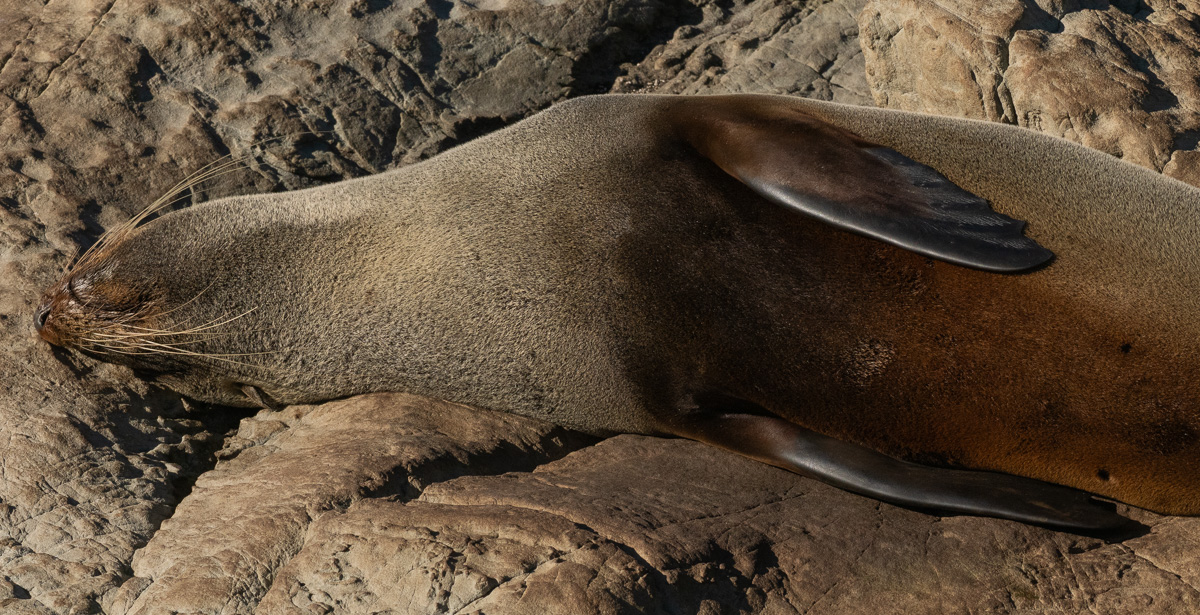
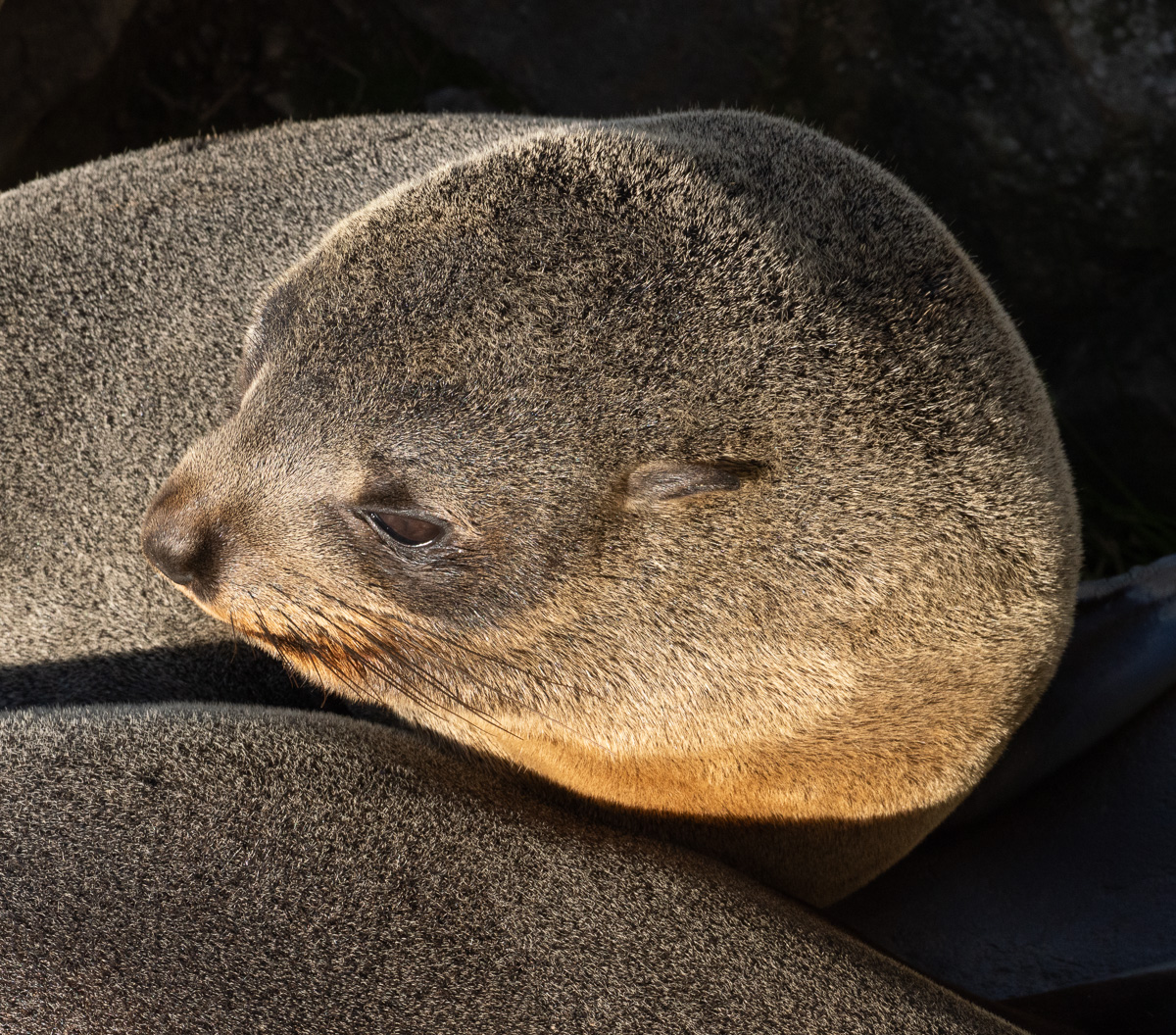
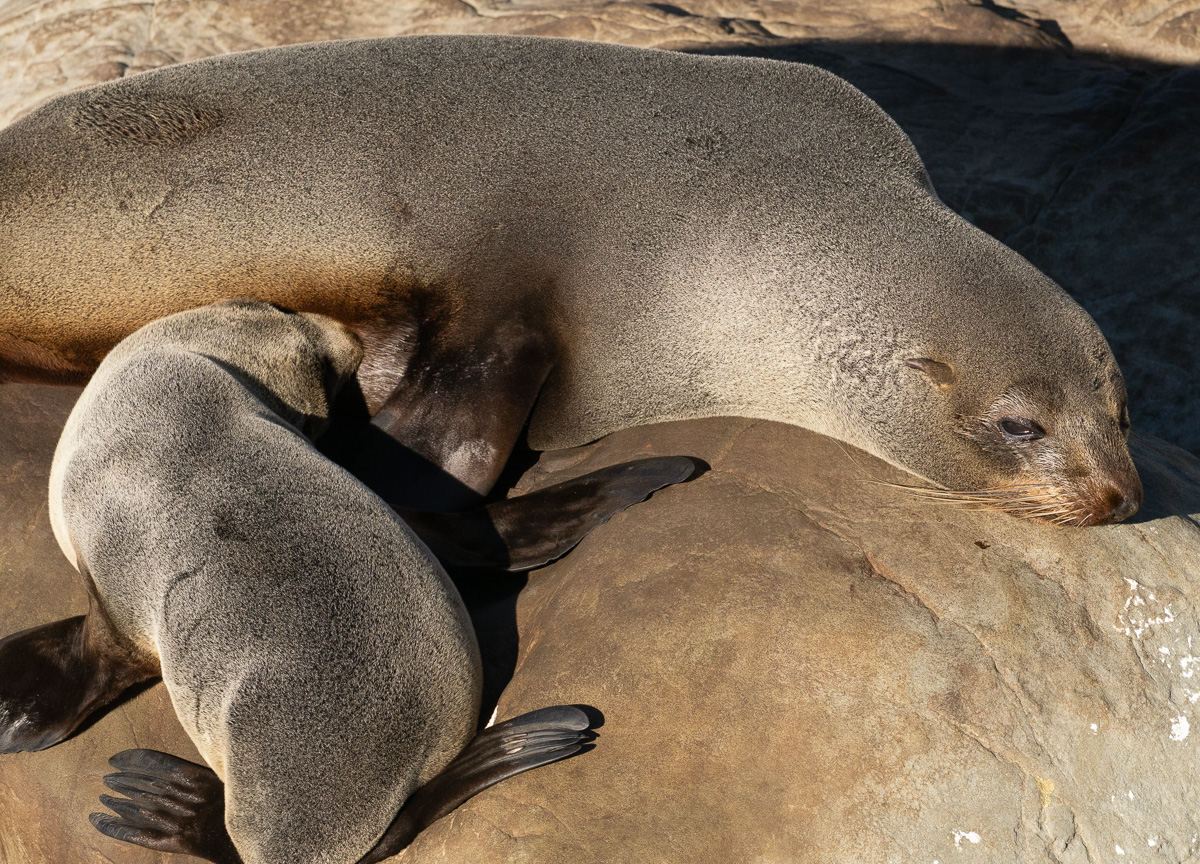
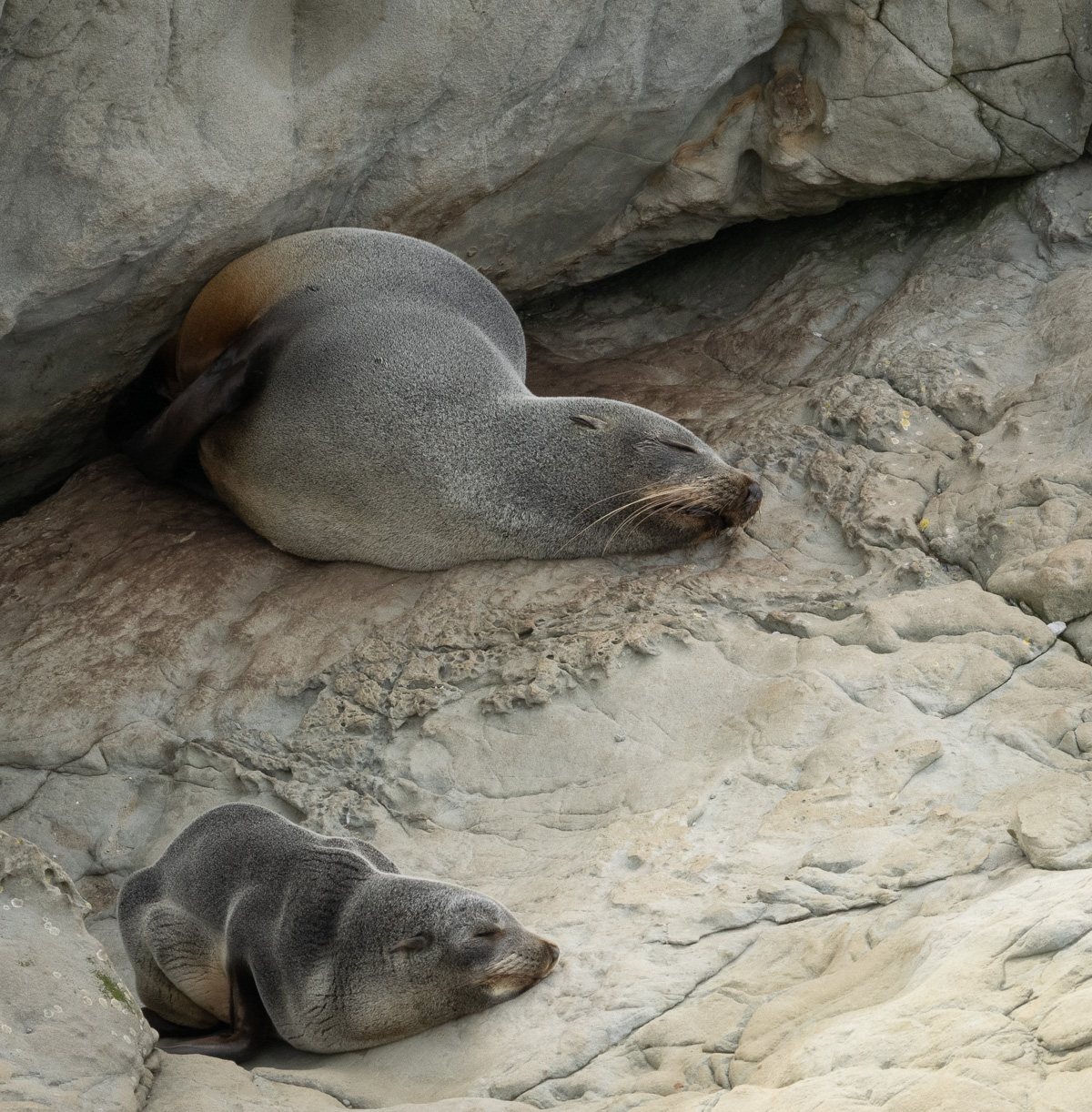
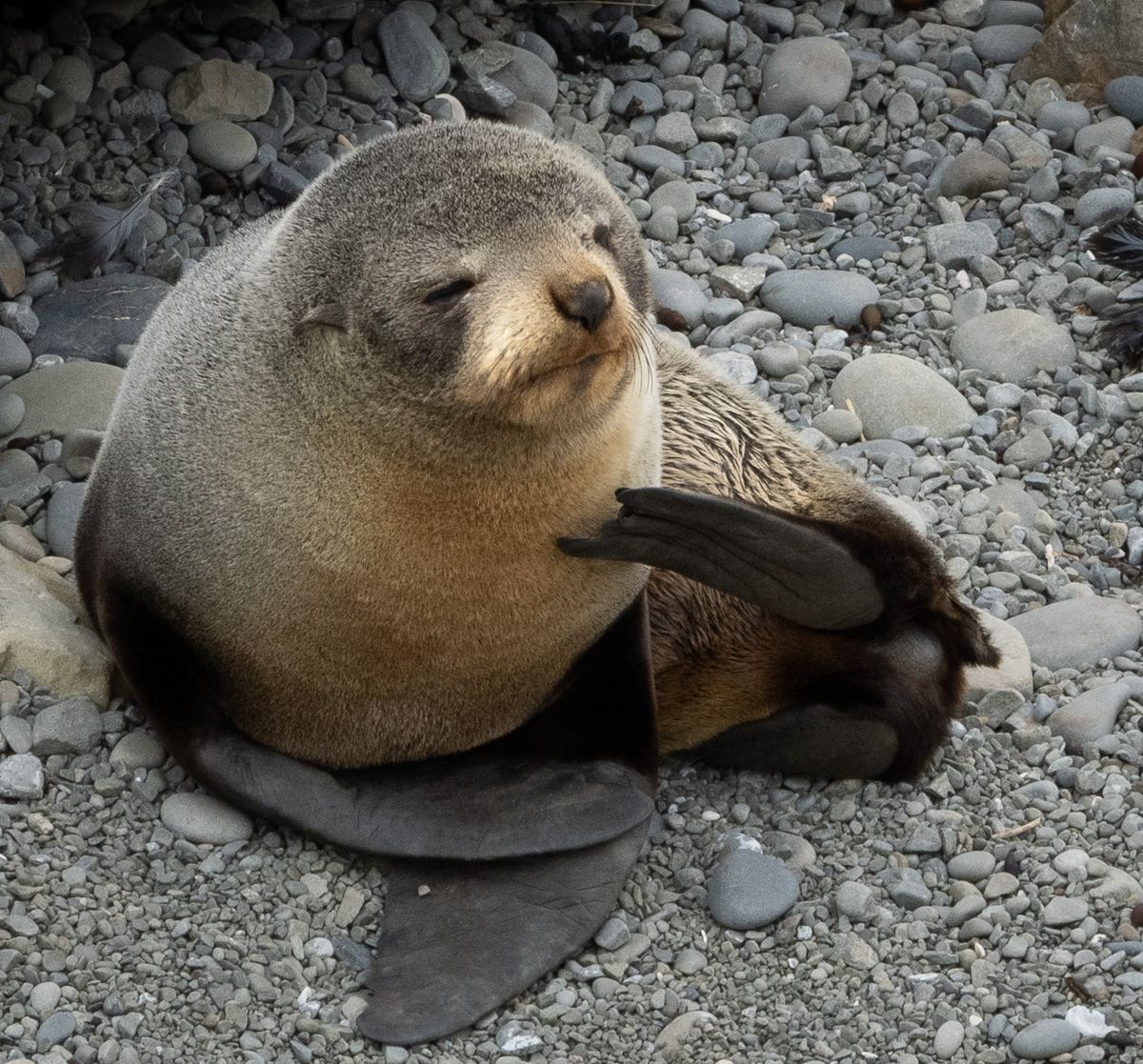
Lying on shore, seals look indolent. Reminiscent of lions that seem to spend more of their time lounging in the shade. However, seals spend lots of time actively swimming after food, especially when feeding pups, and earn their rest.




Lying on shore, seals look indolent. Reminiscent of lions that seem to spend more of their time lounging in the shade. However, seals spend lots of time actively swimming after food, especially when feeding pups, and earn their rest.

There are healthy populations of the New Zealand fur seal (Arctocephalus forsteri) all around the coast of the South Island, as well as a few that are establishing along North Island coasts. Seals have been steadily increasing in numbers since being fully protected in the 1950’s and as by-catch during fisheries operations has been reduced. The species is also found in Australia. Unlike leopard seals, which are found on sandy beaches, fur seals prefer rocky shores. Ohau Point on the Kaikoura Coast, is an excellent place to see them.

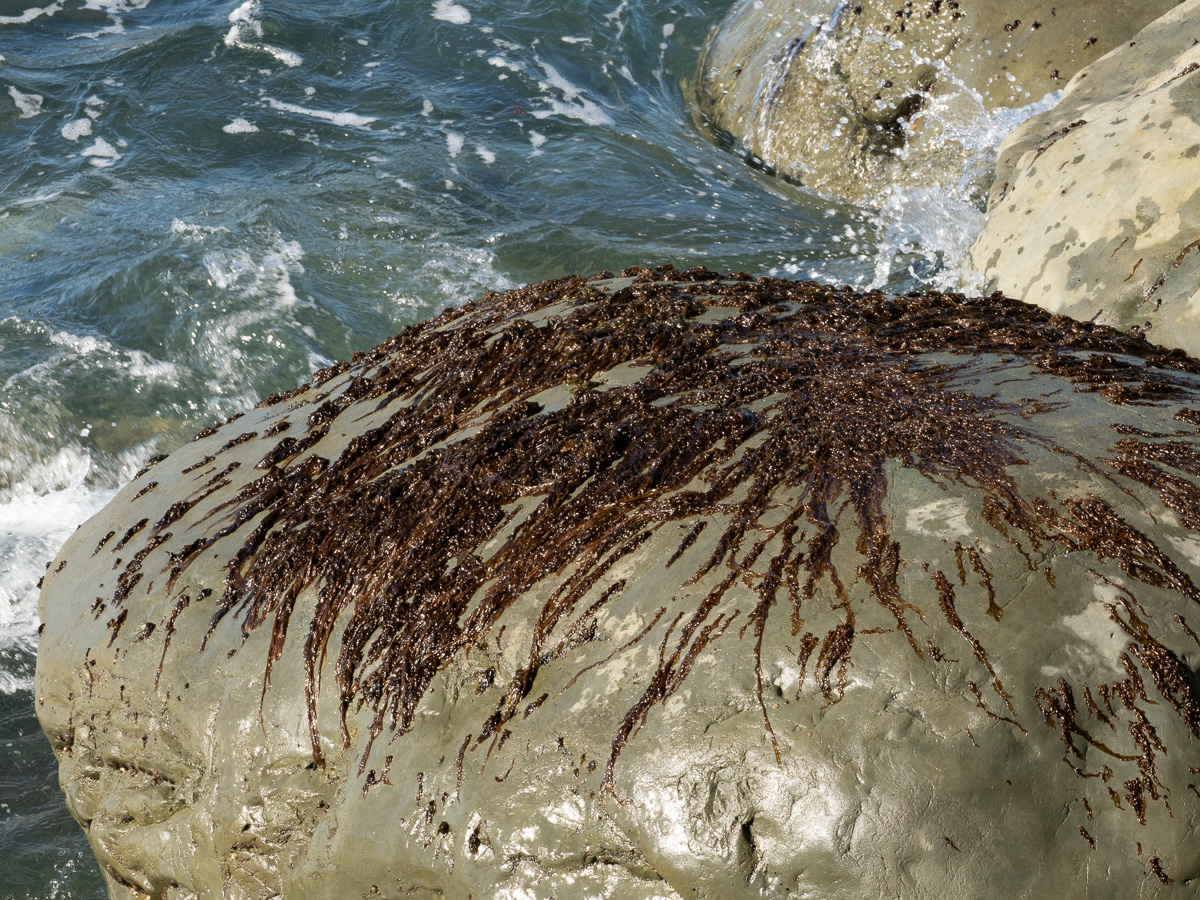
Rocky outcrops off Ohau Point

The native ice plant, Dysphyma australe, grows in rock crevices.

There is now an extensive lookout area with good parking that has been developed since the road was severely damaged during the 2016 Kaikoura earthquake. As almost the entire coastal section of the road had to be rebuilt, it was an opportunity to increase the quality of visitor experience along this wild coastline. All these images were made from points along the walkway.


Seals are still unpopular with some fishermen, and subject to occasional bouts of abuse. However, as city dwellers increasingly appreciate nature, seals are valued by many citizens, especially when wildlife comes to town. They often join forces to protect seals from dogs when they haul out on popular beaches. The Department of Conservation has provided signage that volunteers can put out to alert dog walkers of the presence of seals. Sorry, I didn’t think to take photos when I accompanied a friend to put signs around a seal on Sumner Beach, in Christchurch. If it happens again, I’ll try to rectify this! There are more seal images from Ohau Point to follow.


I have just been over to the West Coast for a couple of weekend trips. It is appealing to those of us living in Christchurch to experience the contrast between the two coasts. While Canterbury is dry, the West Coast is usually very wet. The sea is calm on our side, with plenty of swimming beaches. On the Coast, it is rough, often a boiling cauldron that deters anyone from approaching, let alone entering the surf. Even under deceptively calm conditions there are strong undertows, swirling currents and rogue waves that have caught many unawares.
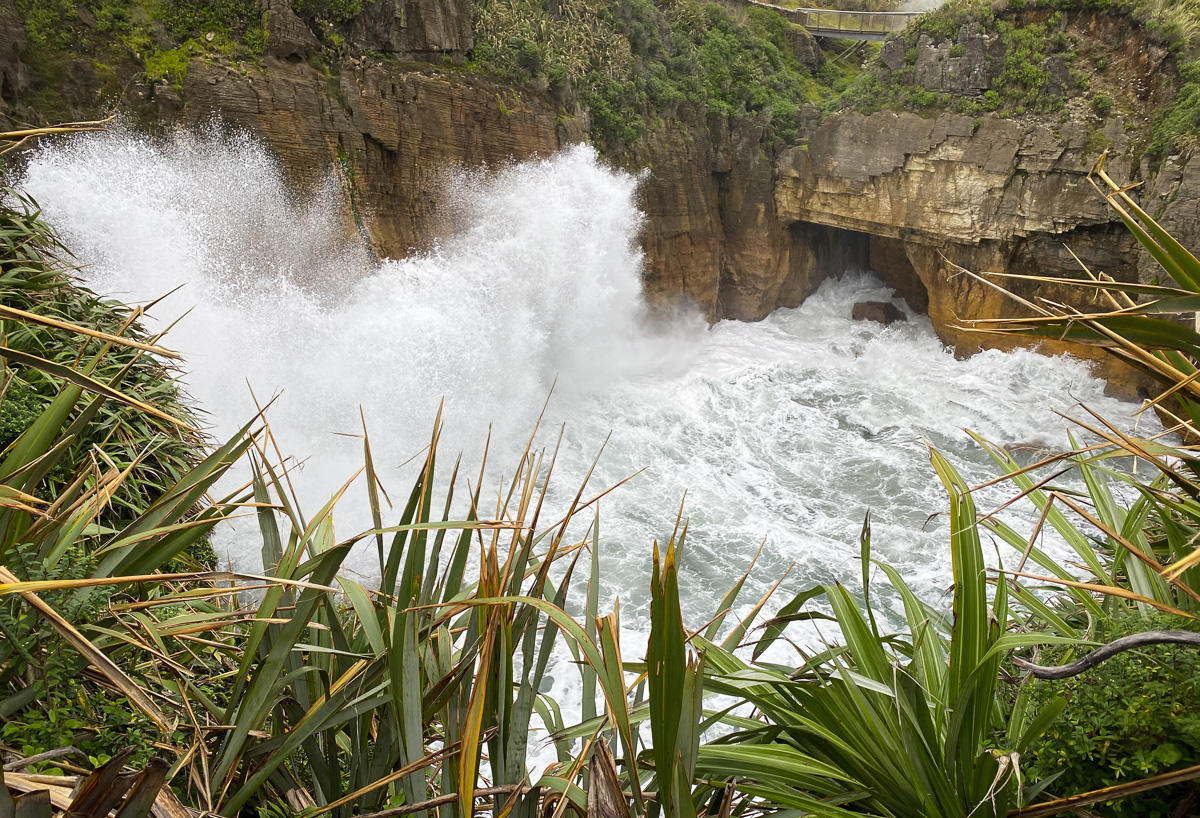
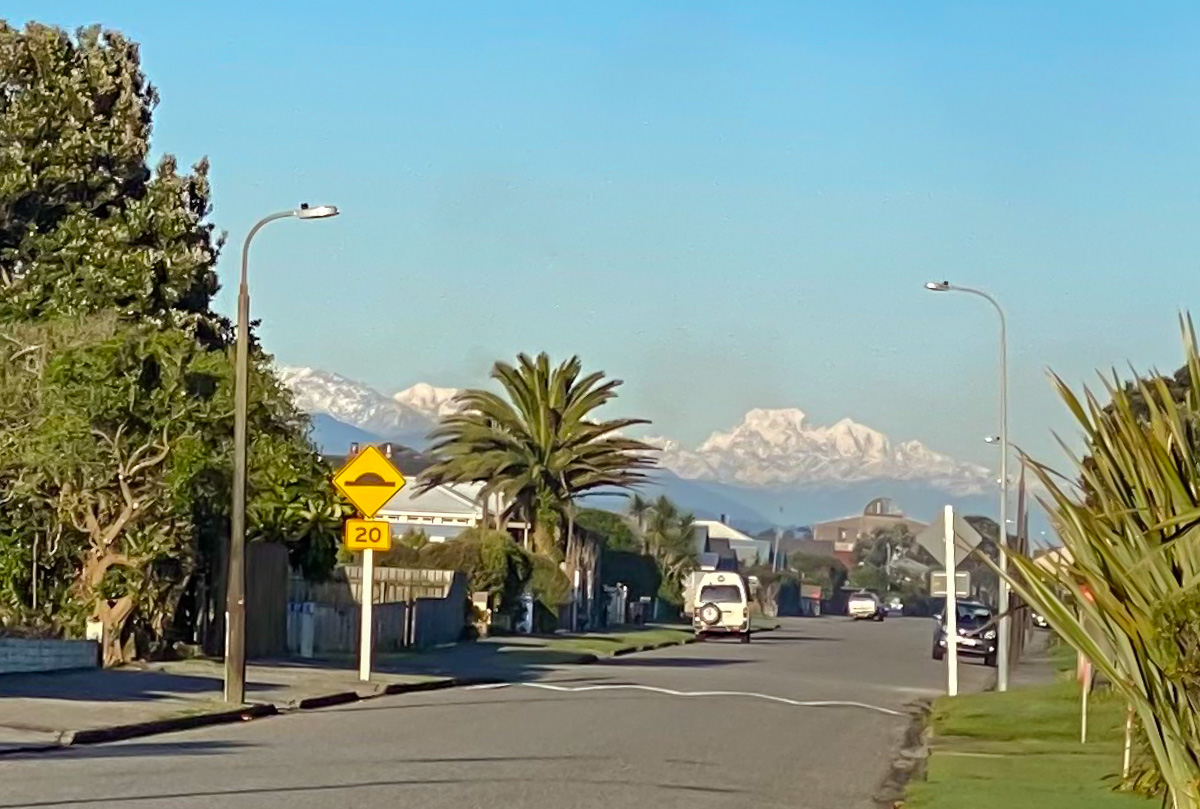
My two weekends were contrasting, too. Hokitika was so clear and sunny that New Zealand’s highest peaks, Mts Cook and Tasman, stood out from afar. The sky was overcast while were staying in Punakaiki, with the odd light shower of rain. It was pleasant enough to be outside photographing most of the time, though; nothing like the ferocious storm that battered the East Coast, wrecked bridges and roads, inundating farmland and urban areas alike while we were blissfully unaware of the devastation happening on the opposite coast. Christchurch generally receives 650 mm rain each year; this figure is 3000 mm on the West Coast. During the storm, touted as a one in a hundred year event, Christchurch received 150 mm in just 3 days, while in the hill country behind the city rainfall was more than 500 mm during the same period. The rain has now stopped, but rivers continue to run high and cleaning up and repair work has barely begun. I am still waiting to find out whether the roads will be open for my next trip out of town.
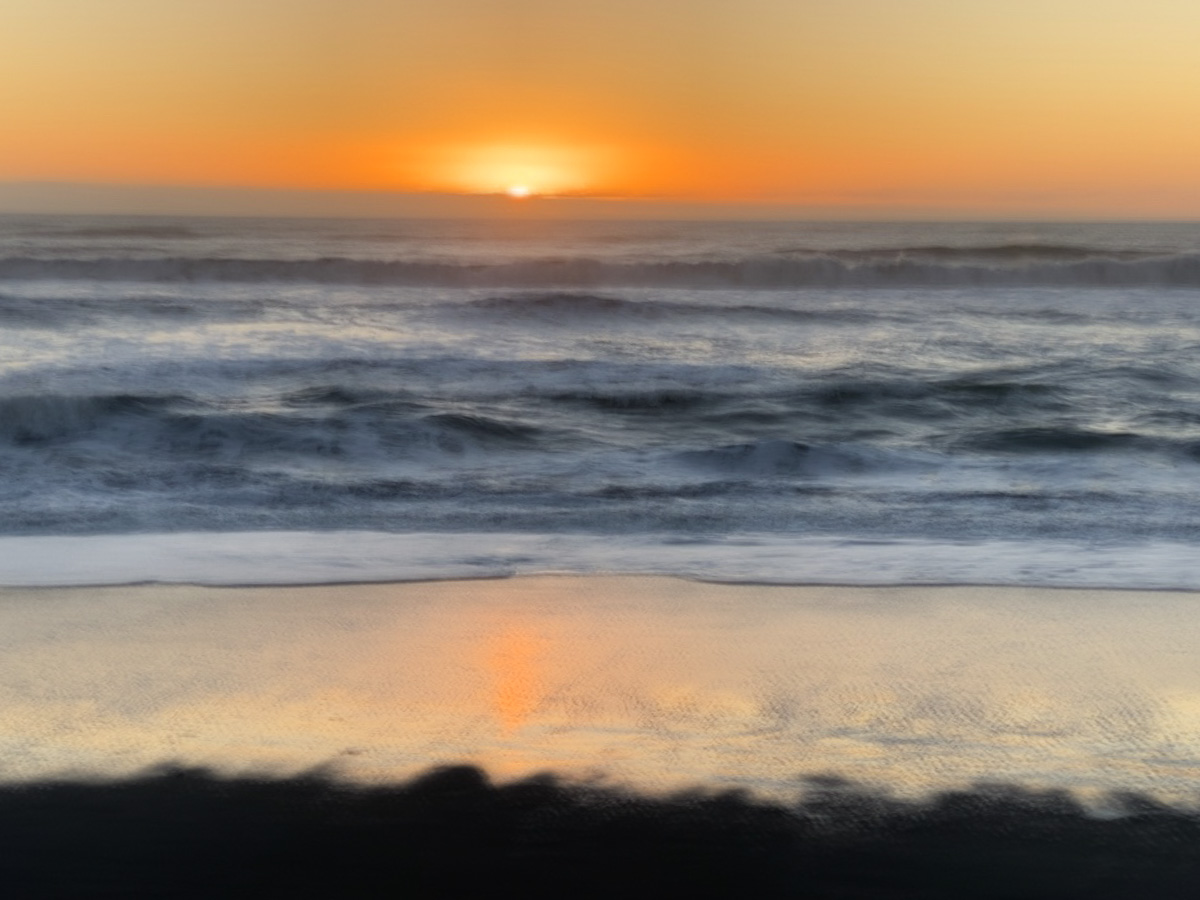
Recently a friend introduced me to a slow motion app for my phone, which I played while I was away, trying to discover what works and what doesn’t. This is still a work in progress, but here are two examples, the first from Hokitika, the second from Punakaiki.

 polsnaturephotography