
Brandberg (burning mountain), the highest point in Namibia, was surprisingly little visited as recently as 2005. This was when I had the chance to explore some of the 650-square-kilometre plateau which erupts nearly two thousand metres above the surrounding desert. It is a two day walk from the nearest road, and there is very little water up there. From about five thousand years ago until late in the nineteenth century a few San people made their home here, but now only crumbling ruins of rock dwellings and many thousands of rock paintings recall their passing.

Our expedition was one of those fortuitous events that comes together through friendships forged in interesting circumstances. Rowan and I first visited Namibia in 1991, just one year after the country gained independence from South Africa. That was an amazing experience in itself. There were few tourists. South Africans, for whom Namibia was their holiday playground, stayed away, fearing that things might have changed under the new government. International visitors had not yet found this magic place. We discovered that camping facilities were excellent, just as in South Africa, and everything worked very well. Brandberg attracted us, but we could explore only around its base as we didn’t have the knowledge or resources to access the plateau.

However, though my work in biological control of weeds, I got to know Stefan Neser, a biocontrol scientist from Pretoria and an outstanding naturalist. I talked with him and his wife, Ottilie, about going back to Namibia and maybe climbing Brandberg. Ottie followed up our idea and arranged for a group of relatives and colleagues to accompany us. Ottie’s cousin, Erica (an artist), and her husband Neerthling, an entomologist running a pest control business (also an expert on large mammals) joined us as well as Michael, another entomologist from Pretoria and Tharina, a spider expert from Windhoek, the capital of Namibia.
We drove to the base of the mountain in two rugged, high clearance vehicles belonging to expedition members. Ottie had a rough sketch map of our route that she had obtained from climbing friends and Tharina knew the route reasonably well as she had been here before. The camp spot they had chosen for us was at Longipoolies, one of few possibilities with access to water. Rainfall is sparse, but when it occurs, runoff is rapid as the rocky plateau holds almost no soil. At Longipoolies, fast flowing water has worn deep potholes in the rock which retain fresh water that we were able to use while camping there.
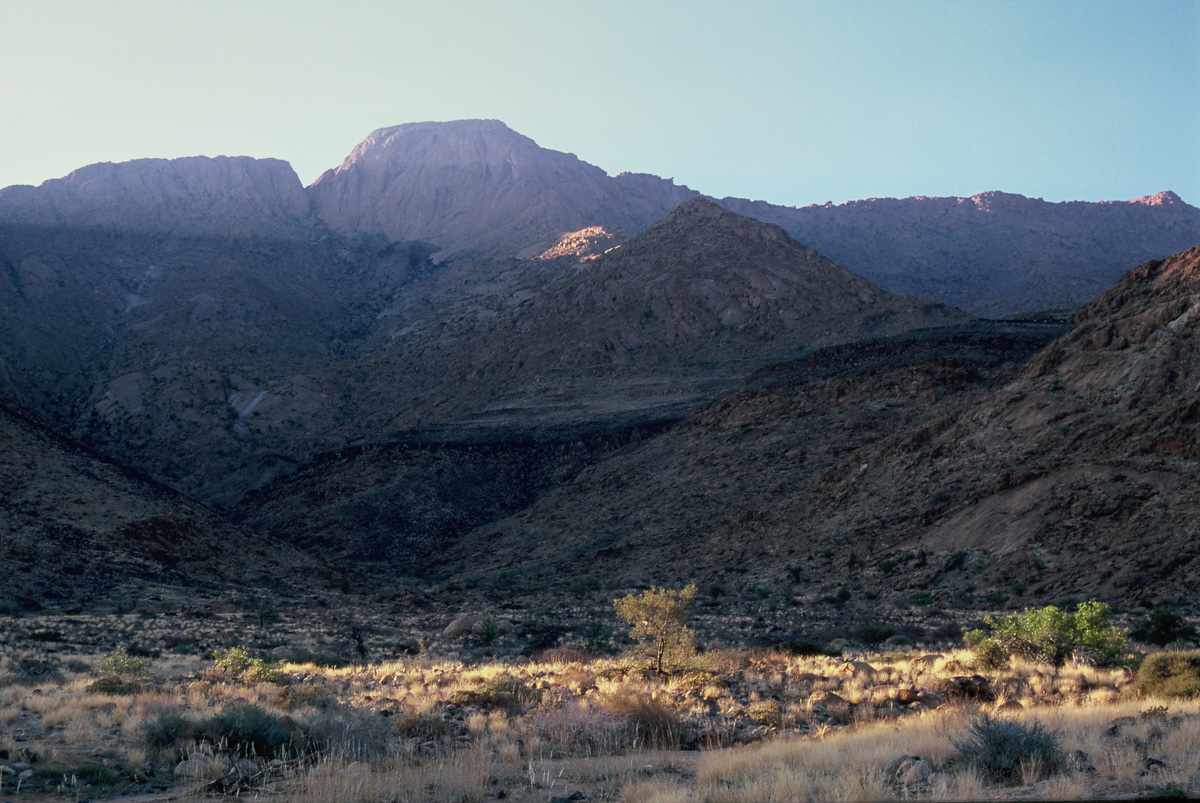


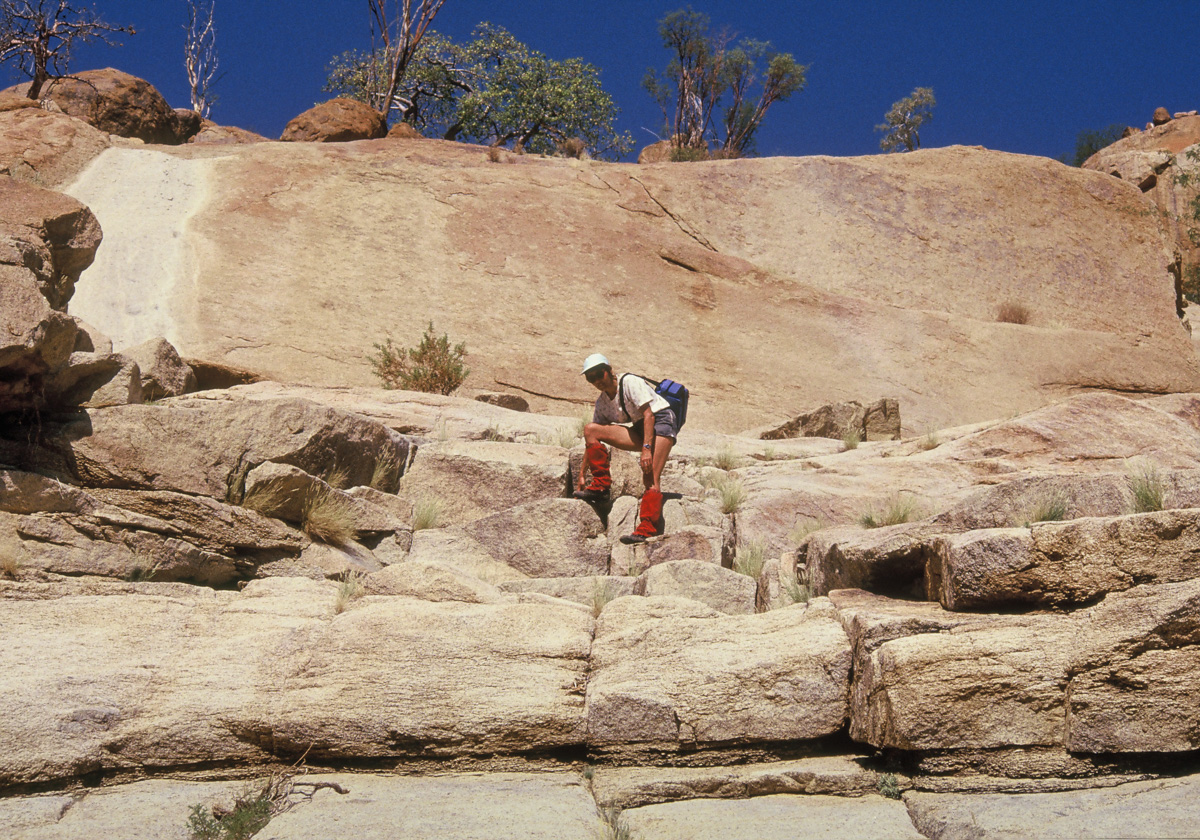
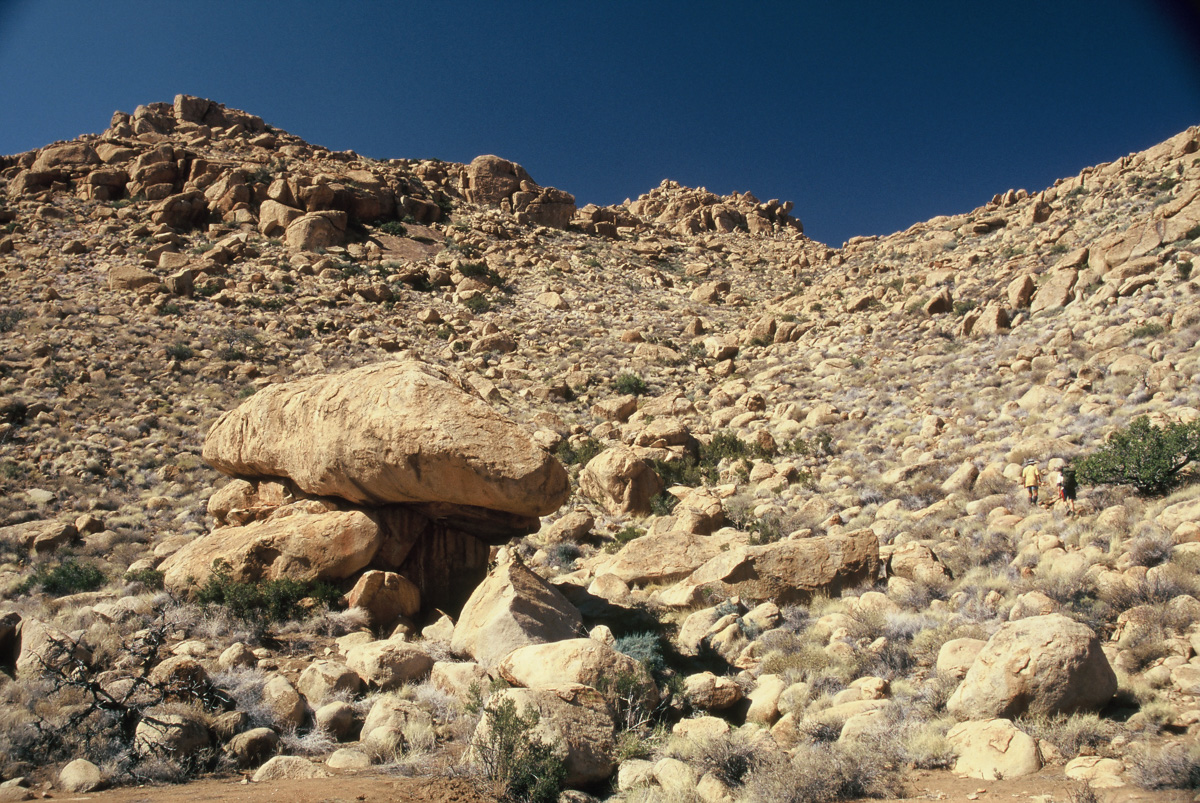
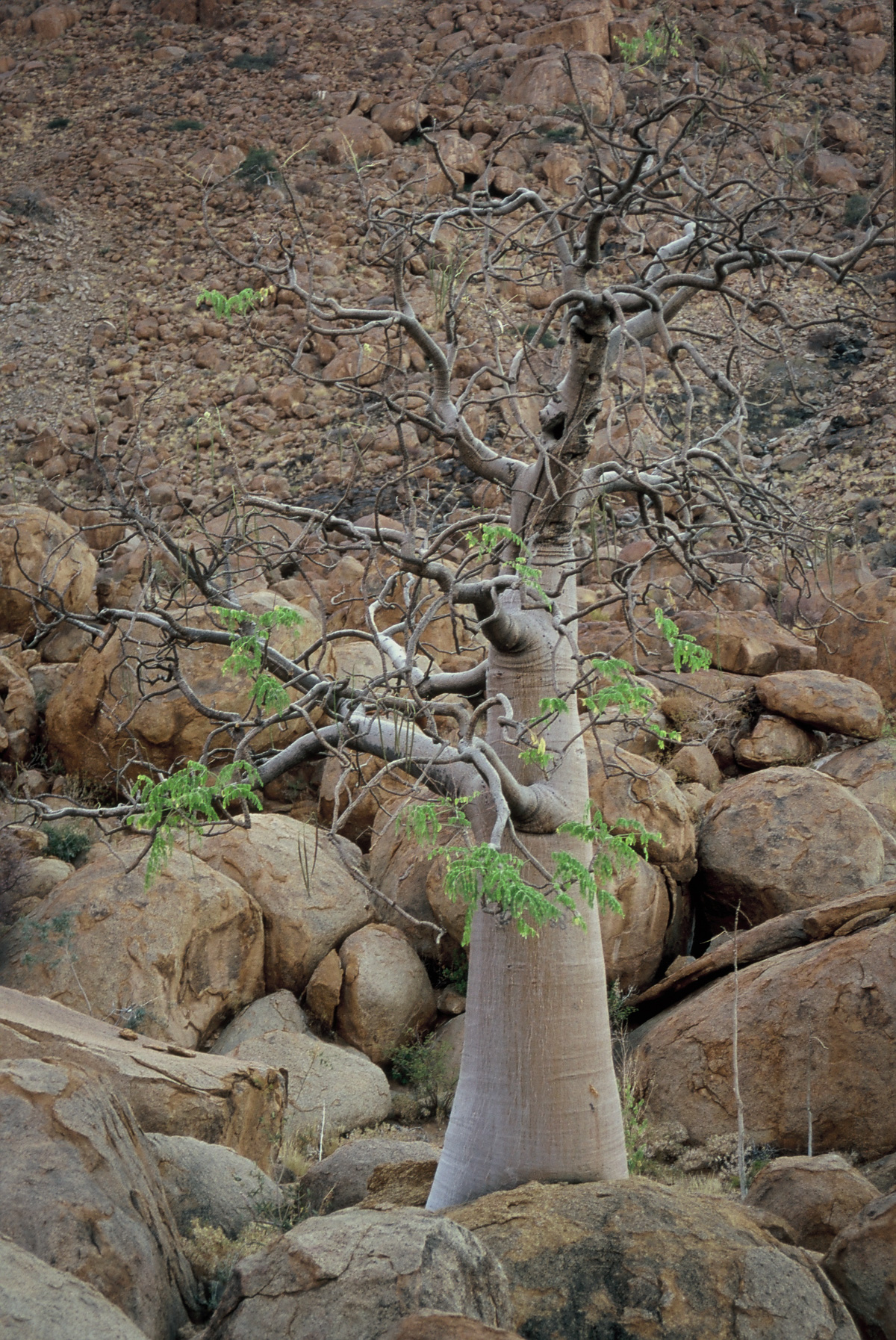
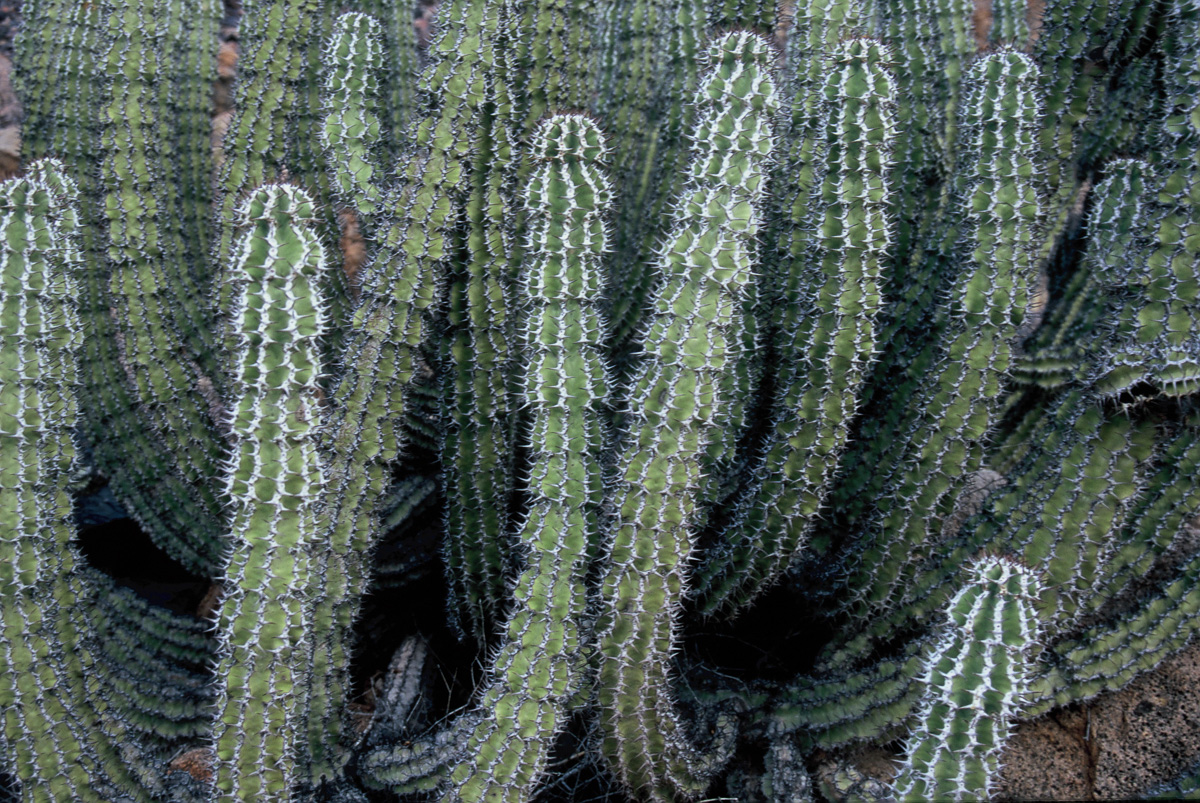
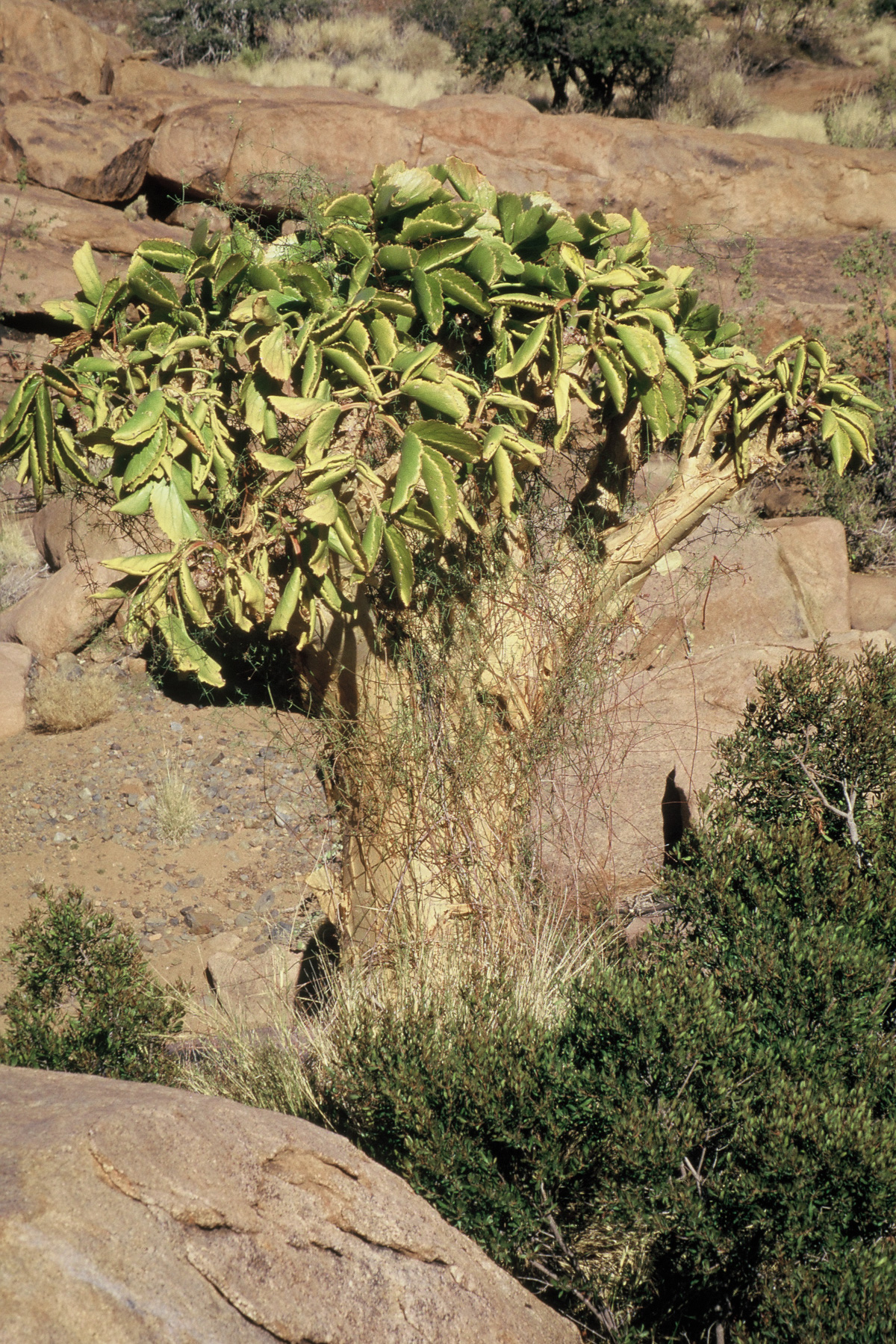
Our group of biologists had several days to explore the area. We hiked to Orabes Kopp through granite country traversing slabs of varying angles, scrambling over huge boulders, and following fissures between rock walls that sometimes became so narrow we were forced to retreat and climb a wall instead. Along the way, we noted and photographed unfamiliar plants and poked into cracks and crevices for signs of life. In that way it was easy to spend the entire day getting there. Views over the Namib desert were spectacular as Orabes Kopp lies near the edge of the plateau.

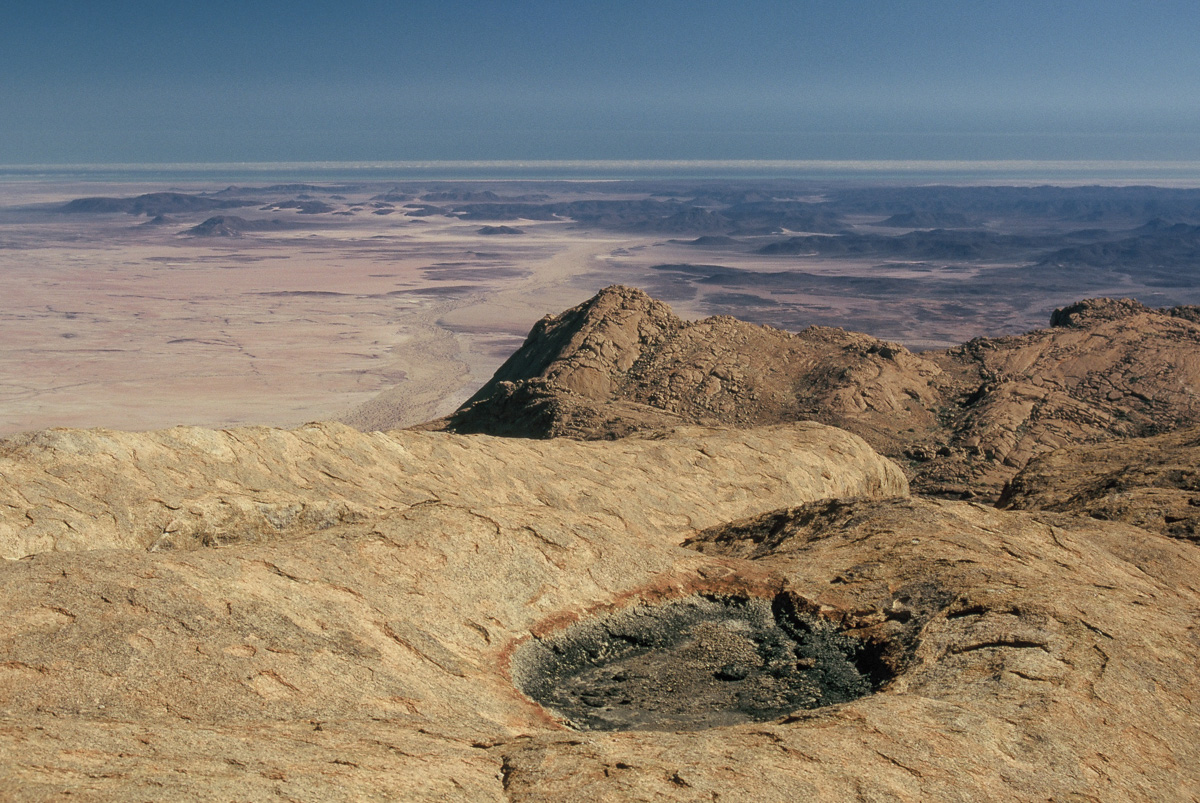
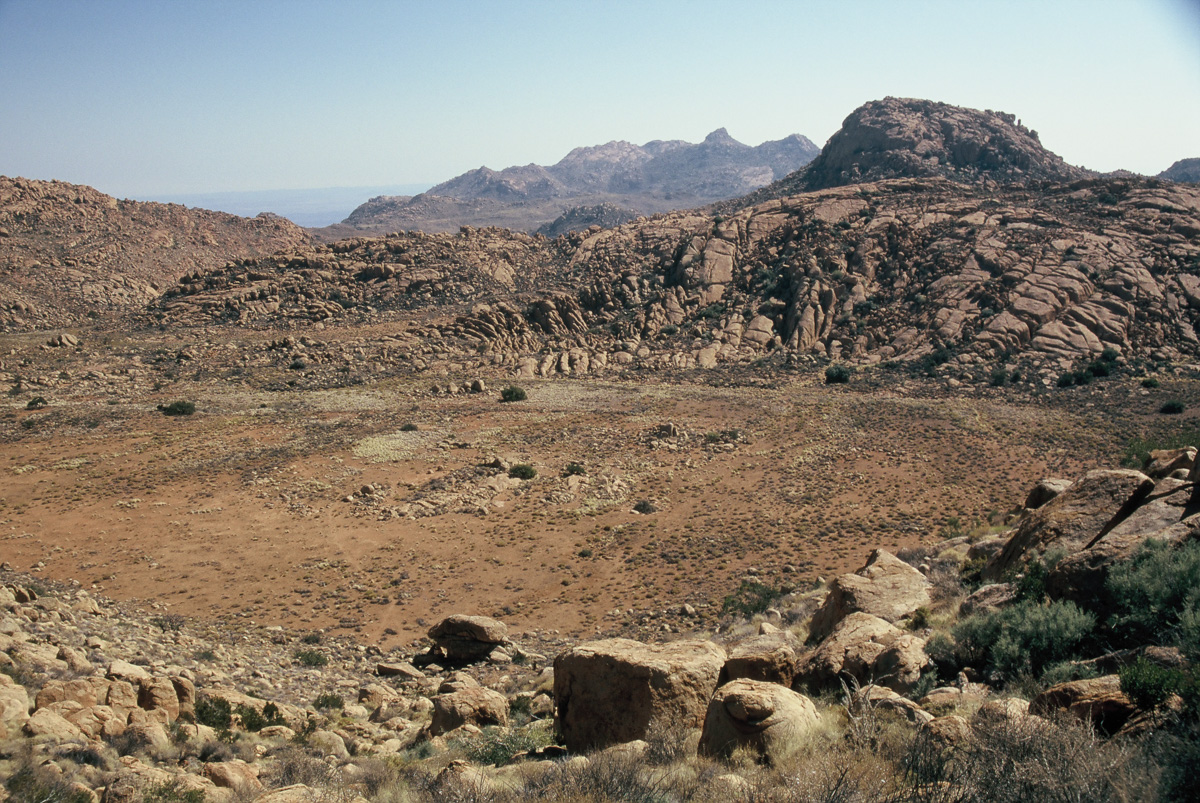
Another day, we headed to Konigstein, the highest point, and consequently the most popular destination, with a faint trail heading towards it. The trail passes the now famous Snake Cave, which is decorated with some of the finest aboriginal rock art that I have ever seen. The view from the summit revealed the intricate nature of the plateau: rocky peaks, narrow valleys and undulating slopes creating diverse habitats for hardy life forms that survive on little water.


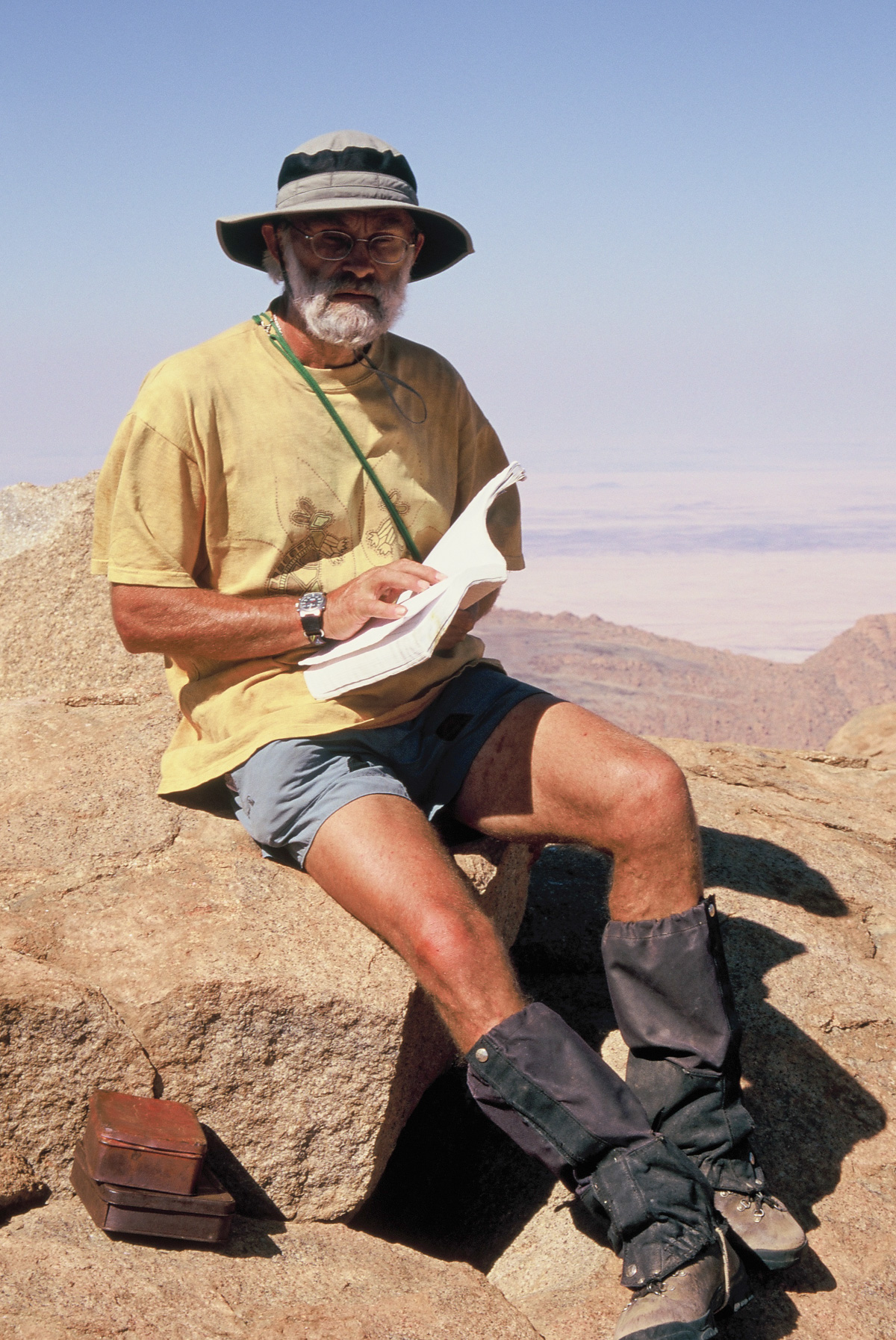
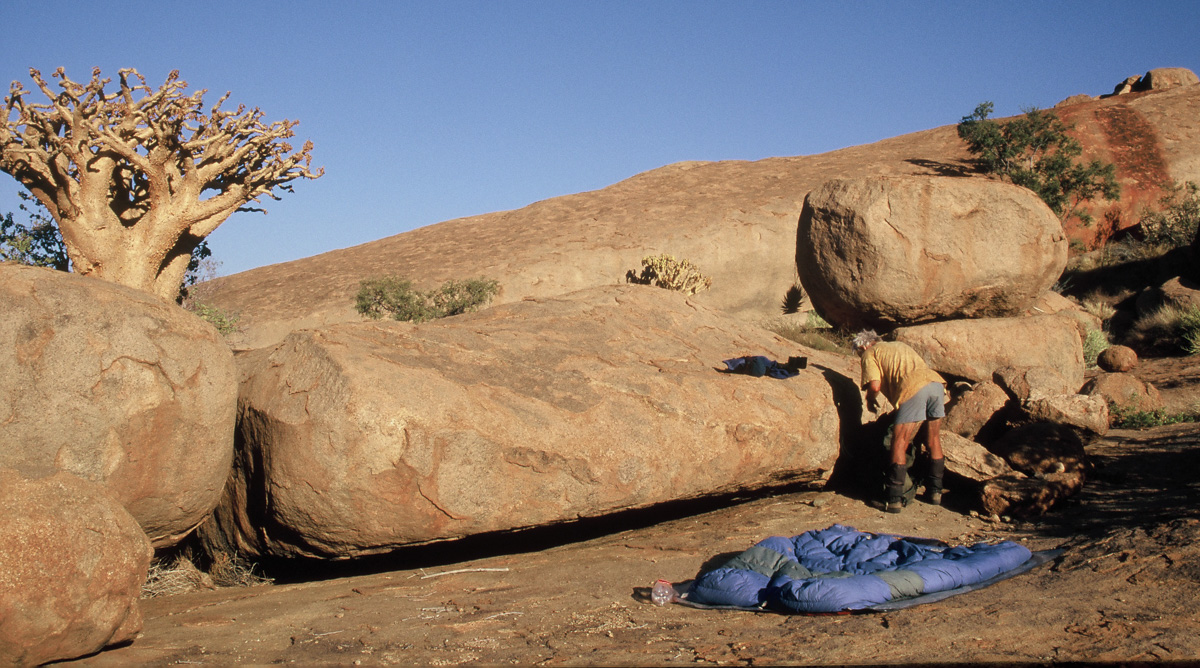
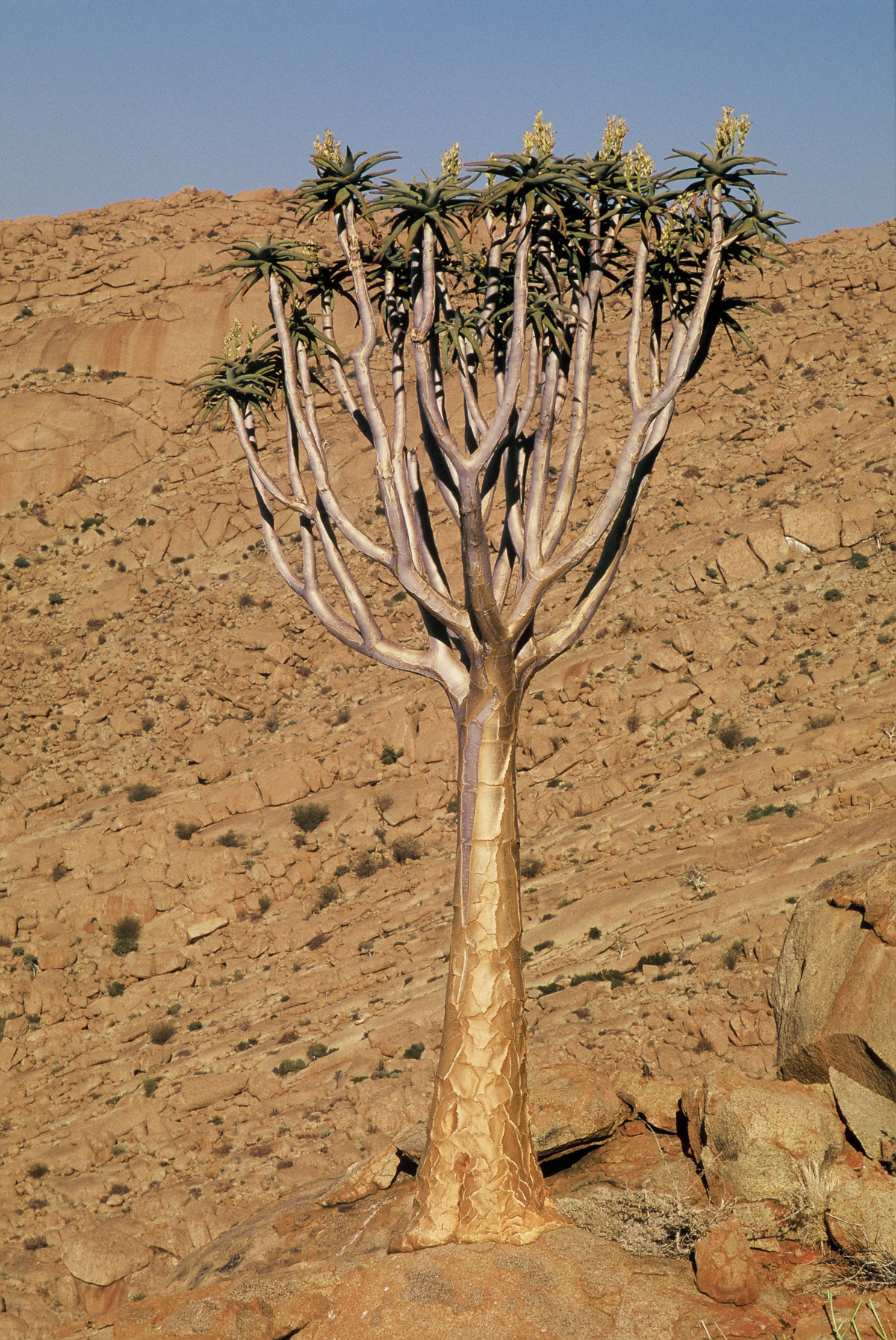
Michael went home with some mosquito larvae, the first ever to be recorded from Brandberg, as well as other unusual flies. Tharina found a diversity of neat spiders and Erica made some lovely sketches. Stefan photographed many rare plants. On our last night, lying in our sleeping bags stretched out on the warm, smooth granite, and gazing up at the bright stars overhead, I fully intended to return one day to explore more of this amazing place.




 polsnaturephotography